
As the weather gets warmer, the days get longer and the marsh gets greener, we see wildlife on the shoreline go through changes as well. Many of the critters that call the San Francisco Bay home are breeding and preparing to protect their young, making the spring an excellent time to observe local wildlife putting on its best show.
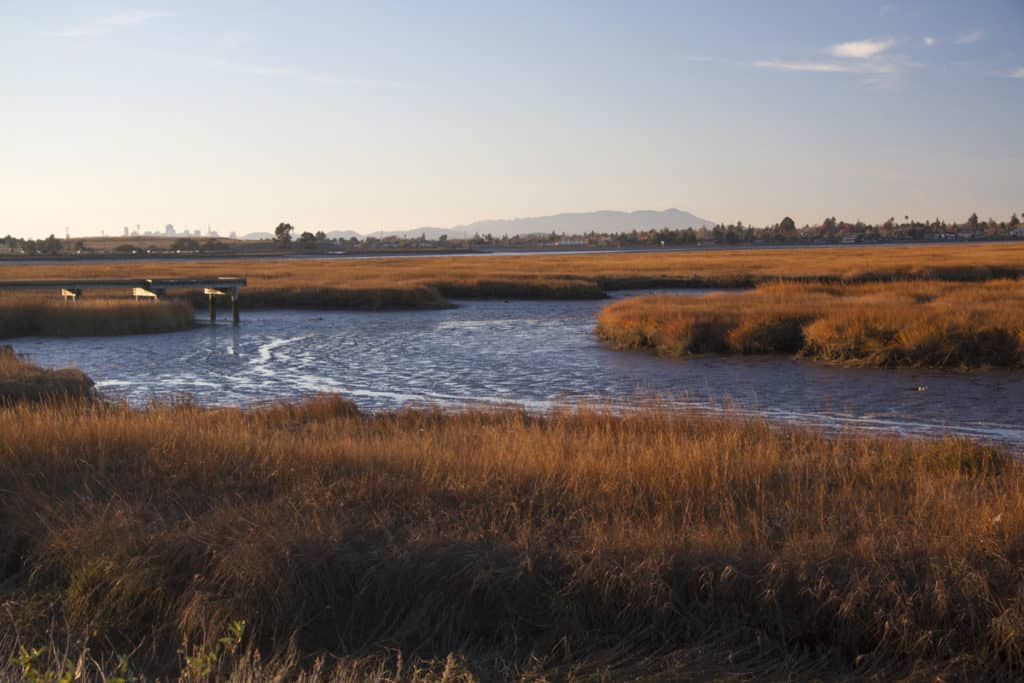
The Bay Area’s tidal marshes and mudflats serve as vital habitat for both migrating and resident shorebirds. Smaller wading birds use the shallow tidal flats to feed on invertebrates while larger shorebirds like snowy egrets and great egrets venture deeper into the water to spear fish or head upland to hunt frogs, lizards, and small mammals.1
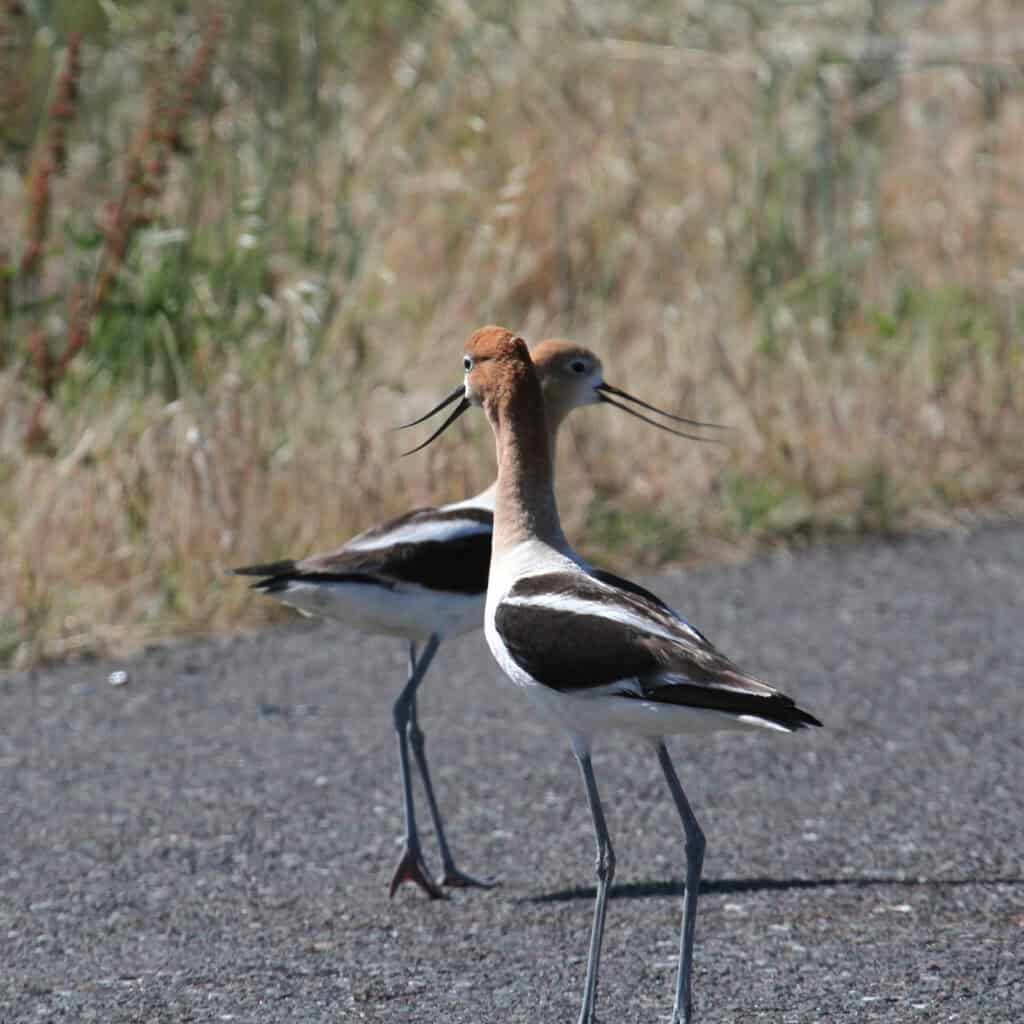
One of the most noticeable birds ringing in the spring is the American avocet (Recurvirostra americana). As breeding begins in March and April, the sleek heads of male avocets change color, from white to cinnamon-orange. Avocet colonies prefer to nest in flat, open areas near water like beaches or mudflats, making many of our restoration sites perfect viewpoints for witnessing this seasonal makeover.2
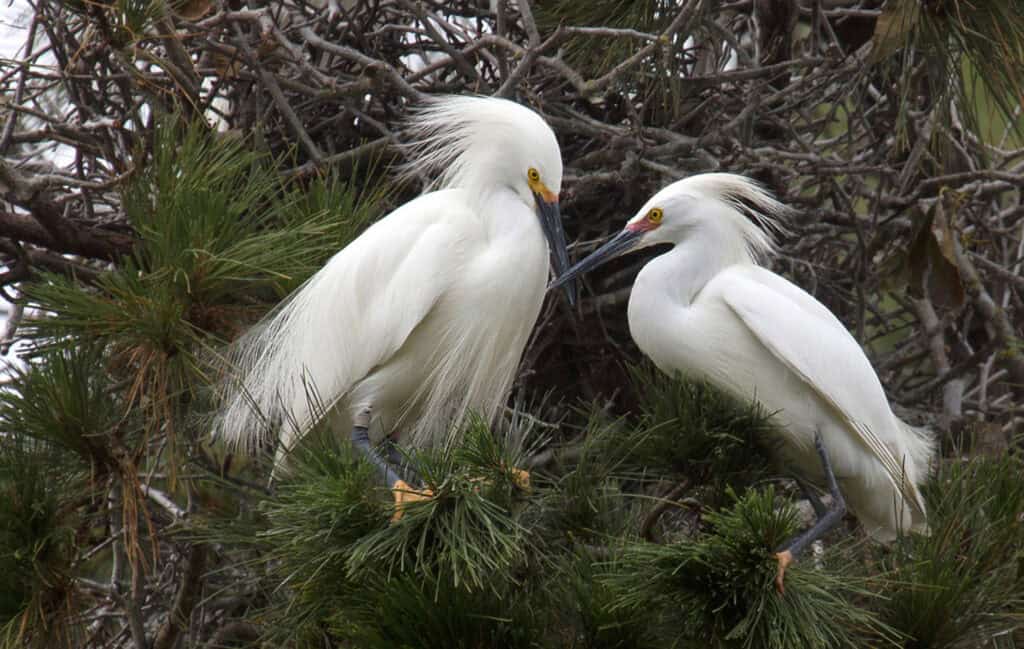
Another shorebird gearing up for breeding season is the snowy egret (Egretta thula). Breeding in April through September, these long-necked shorebirds protect their nests by calling loudly and raising their feathers, making their slender bodies appear larger.1,3
While birds nest and prepare for their chicks to hatch, the next generation of mammals is also making its debut on the shoreline. March through September is coyote (Canis latrans) pupping season, and while coyotes aren’t known for being tidal marsh residents, we have spotted them hunting ground squirrels on the hillside next to our division bed nursery at Bedwell Bayfront Park in Menlo Park and even running through the transition zone at the All-American Canal. During pupping season, coyotes become more protective of their dens and more active foraging to account for the energetic cost of breeding. While this increased activity makes spotting these beautiful carnivores more likely, it’s also especially important to keep dogs leashed when exploring on trails.4
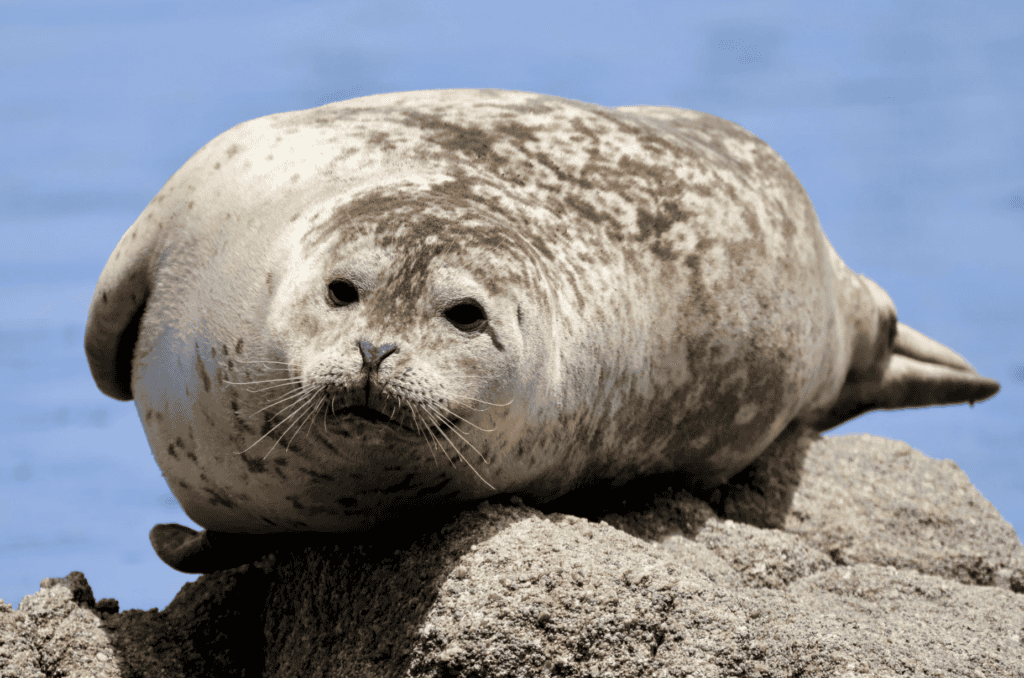
Another mammalian visitor you might see near the marsh this spring is the harbor seal (Phoca vitulina). Some lucky volunteers have spotted them venturing through channels in Eden Landing Ecological Reserve at high tide. In California, harbor seal pupping season ranges from February through June and they can sometimes be seen hauling out with their young on mudflats and in estuaries. This time of year, harbor seal mothers will often leave their pups on land while they search for food. It’s recommended to stay at least 50 yards away from any seals you encounter, so as not to scare them off, potentially separating them from their mothers.5
As animals throughout the Bay prepare for a new season, you can contribute to building biodiverse habitat for them by attending one of our upcoming volunteer events.
See you on the shoreline!
Snowy egret and American avocet photos by Rick Lewis
1 Santa Clara Valley Bird Alliance https://scvbirdalliance.org/egrets
2 All About Birds https://www.allaboutbirds.org/guide/American_Avocet/lifehistory
3 All About Birds https://www.allaboutbirds.org/guide/Snowy_Egret/lifehistory
4 Presidio https://presidio.gov/about/sustainability/coyotes-in-the-presidio
5 The Marine Mammal Center https://www.marinemammalcenter.org/news/your-guide-to-seeing-harbor-seal-pups-in-california