
The 2026 RAE Summit was an astounding gathering of coastal restoration experts, community members, and advocates dedicated to exploring pressing issues, innovative solutions, and robust strategies to restore and revitalize our coastal resources and communities effectively. Together, we explored practical solutions, bold ideas, and lessons learned at the intersection of climate resilience, restoration, equity, and the blue economy – set against the backdrop of one of the nation’s most iconic coastal regions.
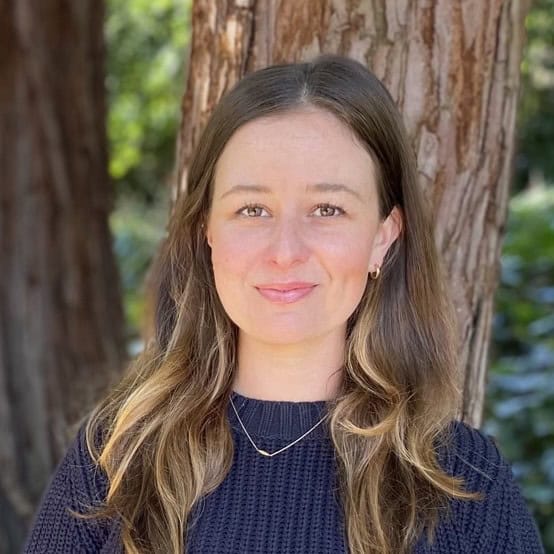
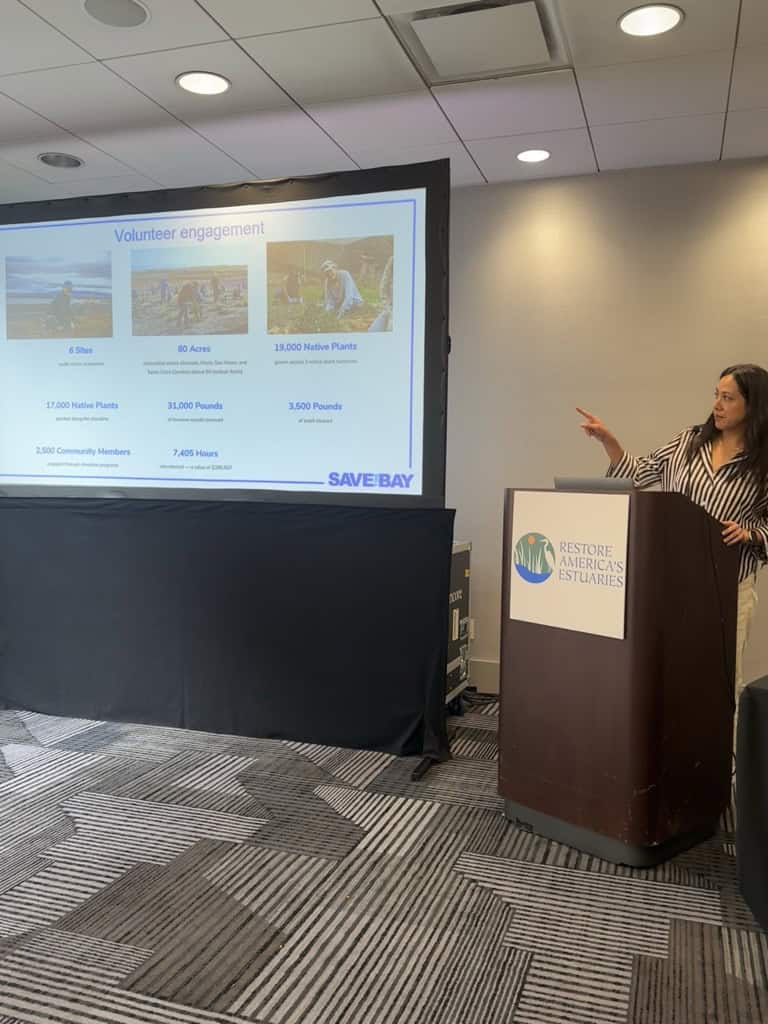
Jessie Olson presented our community engagement and revegetation work in the Ravenswood Complex as part of a dynamic session called Restoring Higher and More Complete Marshes in South San Francisco Bay Wetland Restoration Projects.
In my time with Save The Bay, I’ve been lucky to participate in five Restore America’s Estuaries Coastal Summits that have taken me from New Orleans to Washington D.C., but never before have I had the chance to support the conference planning and agenda development or to witness our very own, David Lewis, give an opening plenary to hundreds of attendees. For the first time, Save The Bay served as the host organization for the Summit, held this year in San Francisco, and we were thrilled to showcase our remarkable Bay and the many partners committed to its protection and restoration.
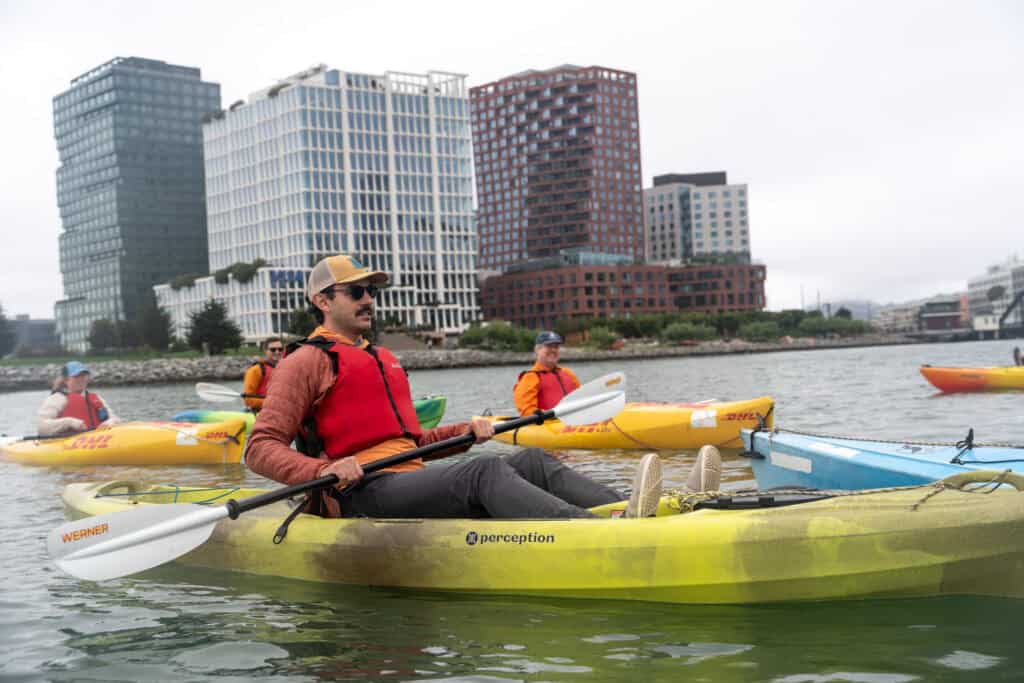
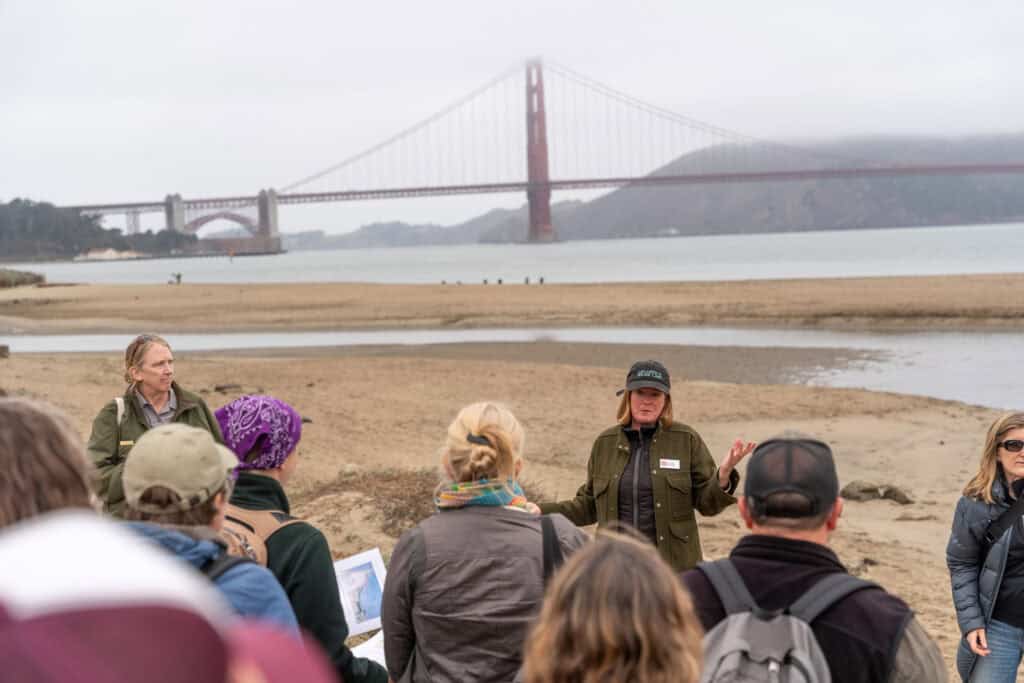
As part of Save The Bay’s host role, we helped organize eight field trips for the Summit, which were held in the day and a half before the opening plenary on Tuesday afternoon. A wide range of offerings included a tour of North Bay restoration sites coupled with wine tasting, a kayak tour of the San Francisco Bay Water Trail adjacent to the Oracle Park, and a visit to the world’s largest marine mammal hospital in Sausalito. Summit field trips offer an opportunity for conference participants to step outside the hotel, get a better sense of the host region, and learn from fellow practitioners with their boots on the ground.
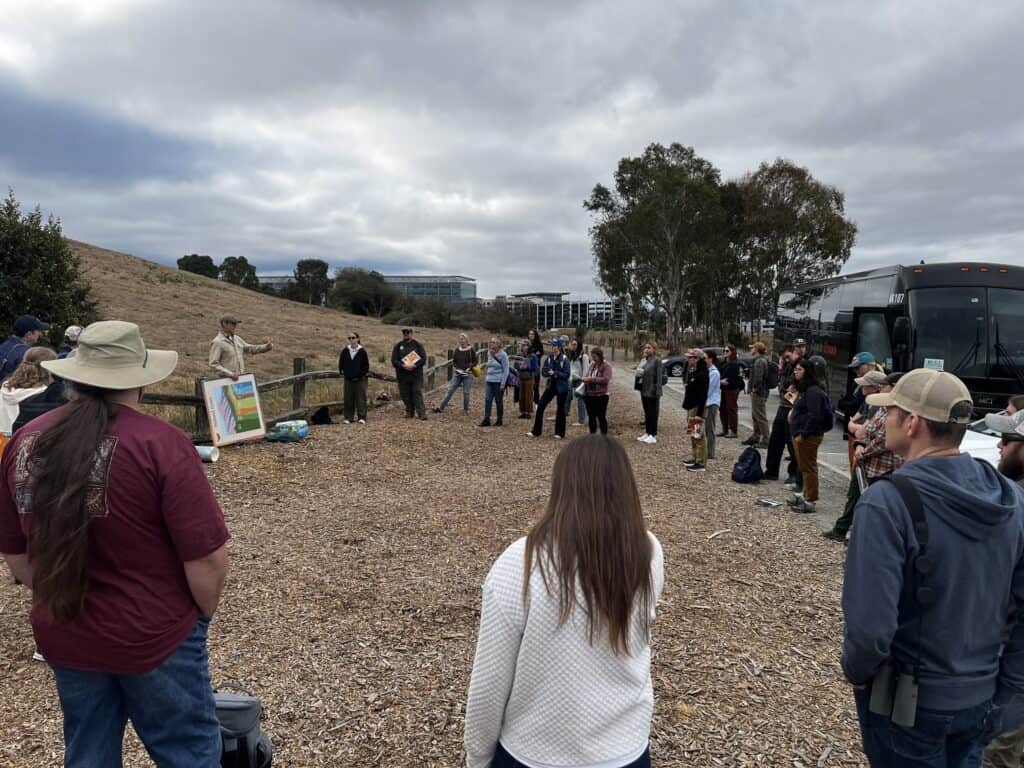
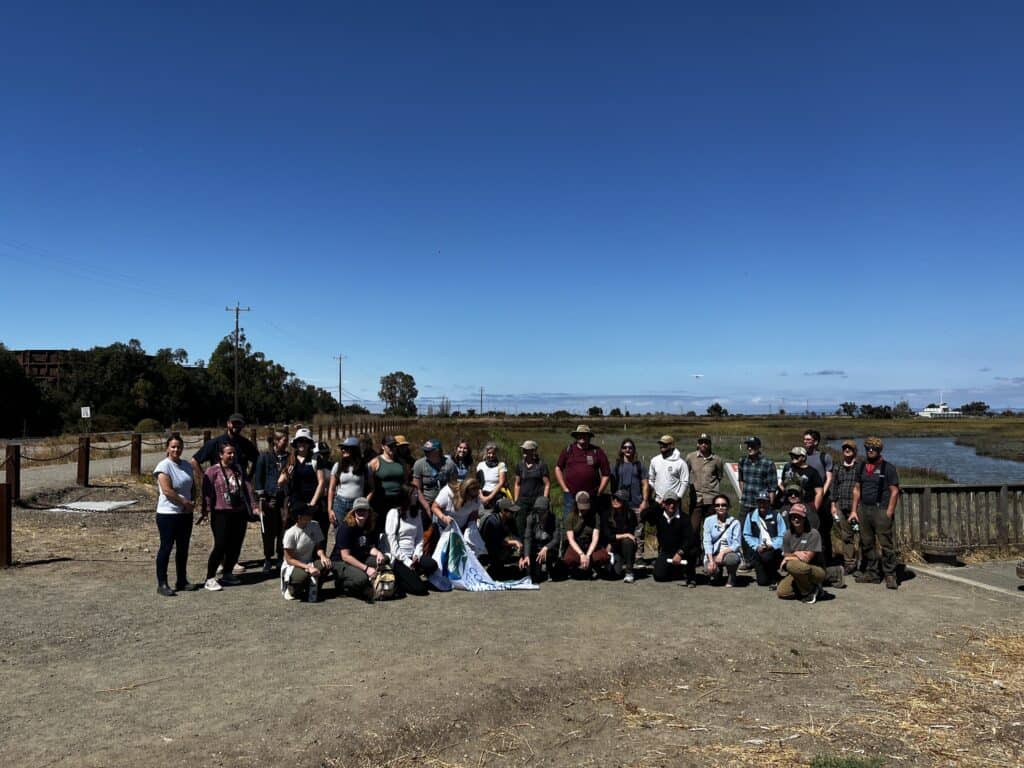
We were excited to highlight our amazing partners and projects that showcase the innovation, impact, and community engagement that the San Francisco Bay is known for. Several Save The Bay staff members supported the field trips in the role of chaperone, ensuring the trips stayed on schedule and everyone made it back to the hotel. At one field trip, I joined the South Bay Salt Pond Project, Ducks Unlimited, City of Palo Alto, San Francisco Estuary Partnership, and ESA to speak to about our role in revegetating two ecotone levees at Ravenswood in the Don Edwards National Wildlife Refuge and the Palo Alto Horizontal Levee project.
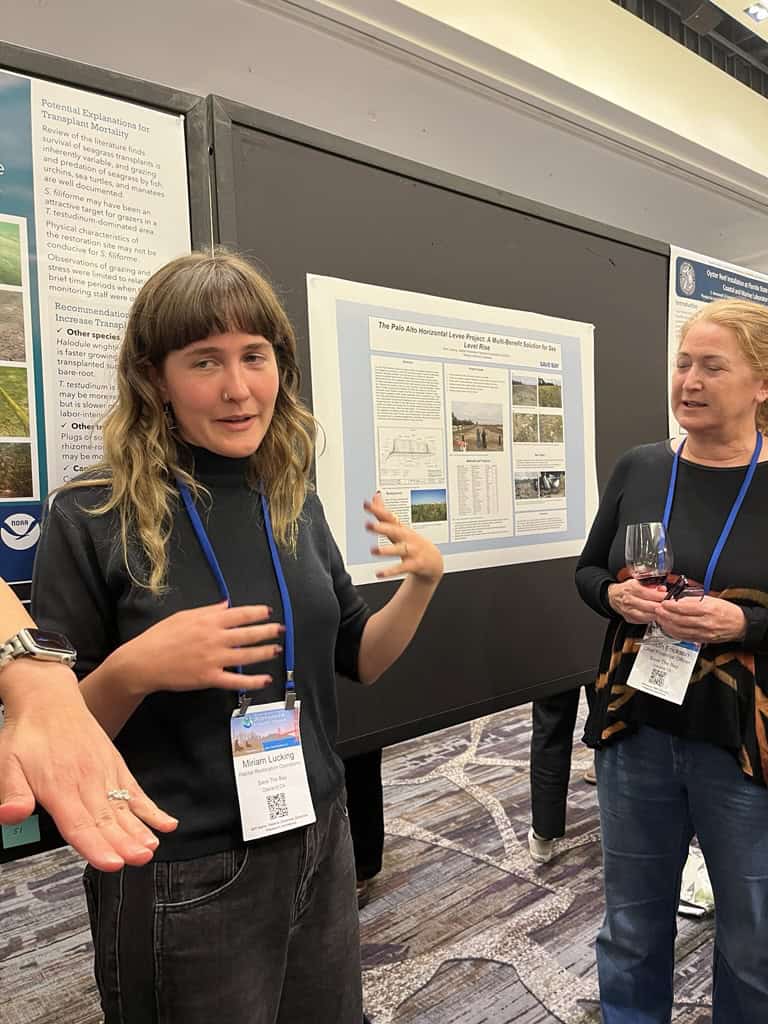
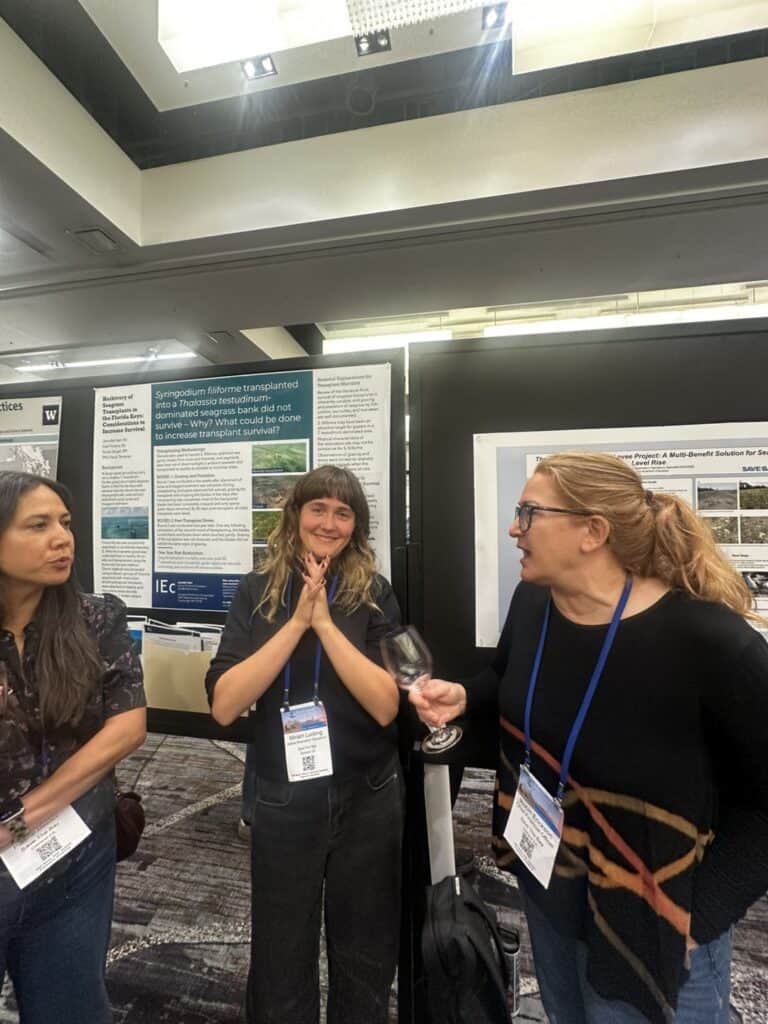
Two members of the Habitat Restoration team submitted poster offerings to the conference and were accepted to present our work. Haymar Lim presented a poster titled “Fostering Belonging through Environmental Education” about how our education programming has evolved to meet the needs of student participants and create opportunities for deeper connection to the Bay. Mimi Lucking presented a poster on our role in the Palo Alto Horizontal Levee Project, engaging members of the public through native plant propagation, planting, and maintenance of the innovative project site.
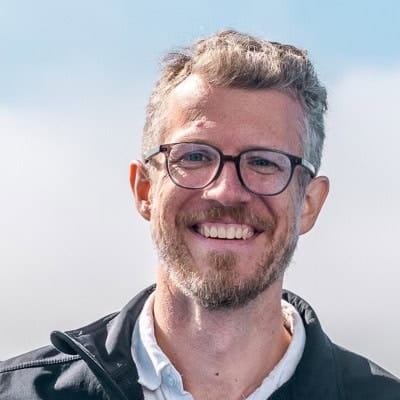
Josh Quigley, Save The Bay’s Policy Manager shares his experience at RAE, and the workshop he led on the Horizontal Levee’s and how they can protect communities from flooding.
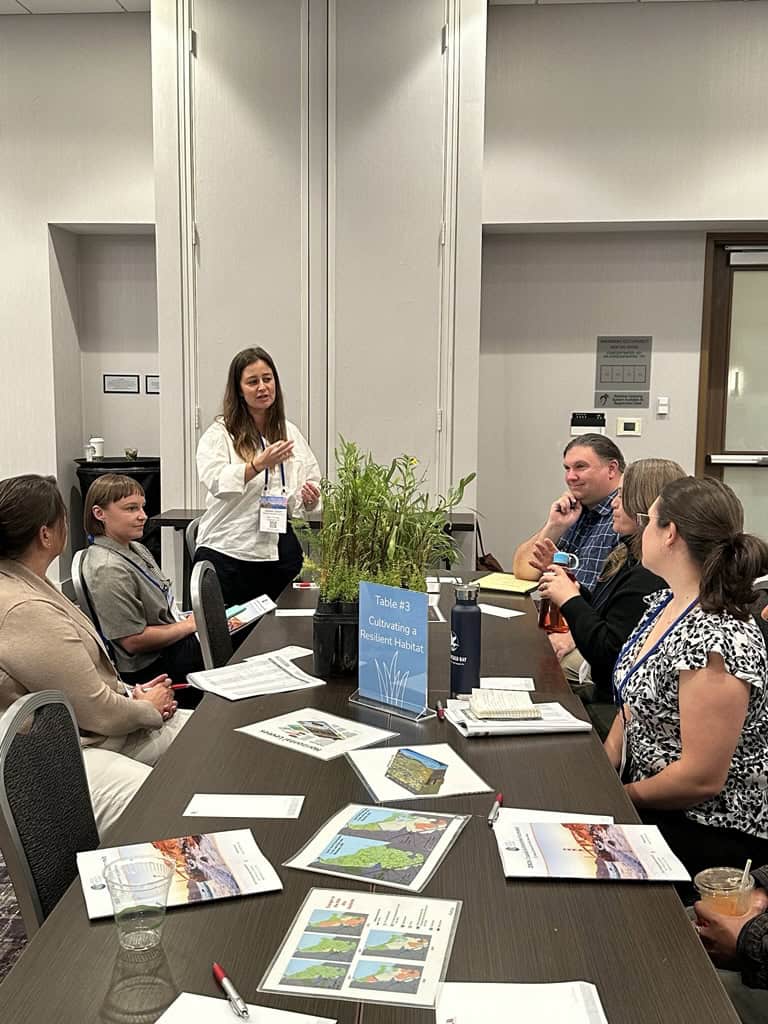
The RAE conference allowed us to highlight some of the innovative work being done in the Bay to improve water quality, increase habitat, and protect communities from flooding. One type of project that addresses all these challenges is called a “horizontal levee”. I was able to lead a workshop focused on how these levees work, the way Save The Bay is helping to support them, and the work being done to build more of them around the Bay.
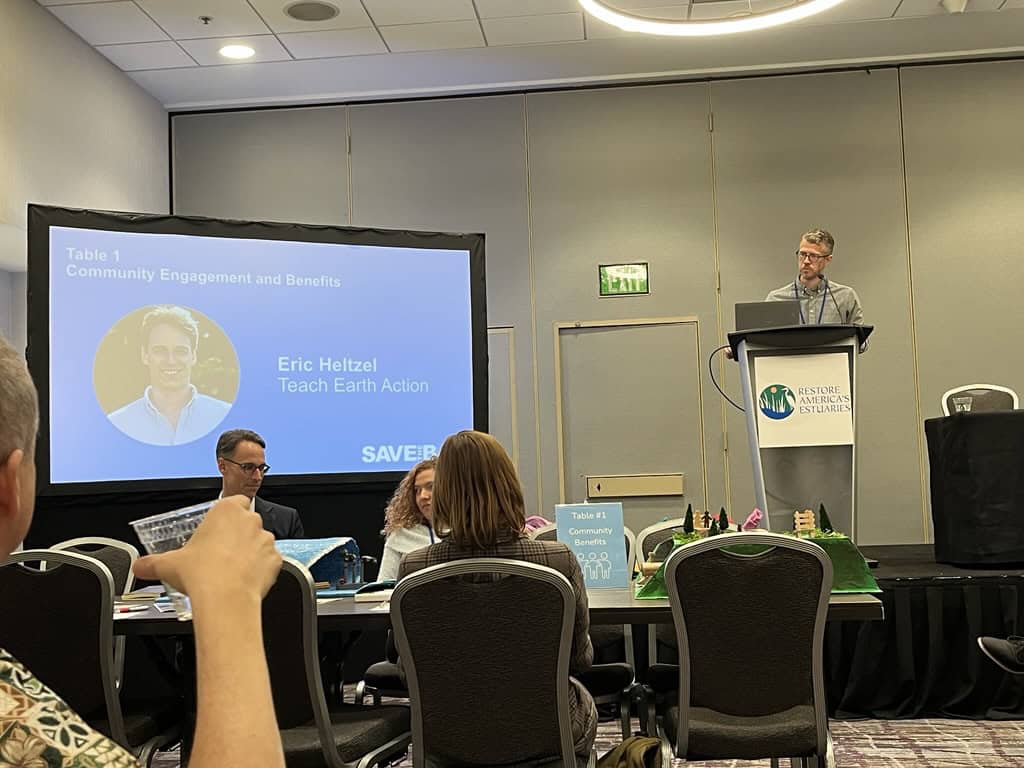
During our session, people were able to take part in small group discussions and learn about how horizontal levees improve water quality by filtering nutrients and other contaminants from our wastewater plants; the way they are being designed to support healthy native habitat as sea levels rise; how communities benefit from improved recreational access, and what it takes to get these innovative projects built.
The Bay Area is leading the way on developing horizontal levees and Save The Bay has been involved from the beginning. It was great to be able to showcase this work to a national audience and help people from other parts of the country think about how to use these to improve resilience and water quality.
Throughout the week I was also able to learn about how wetlands are being restored along the Gulf coast and Puget Sound, ways that other states are addressing the challenge of removing abandoned boats from water ways, and how we can secure the long-term funding we need to protect and restore the San Francisco Bay.
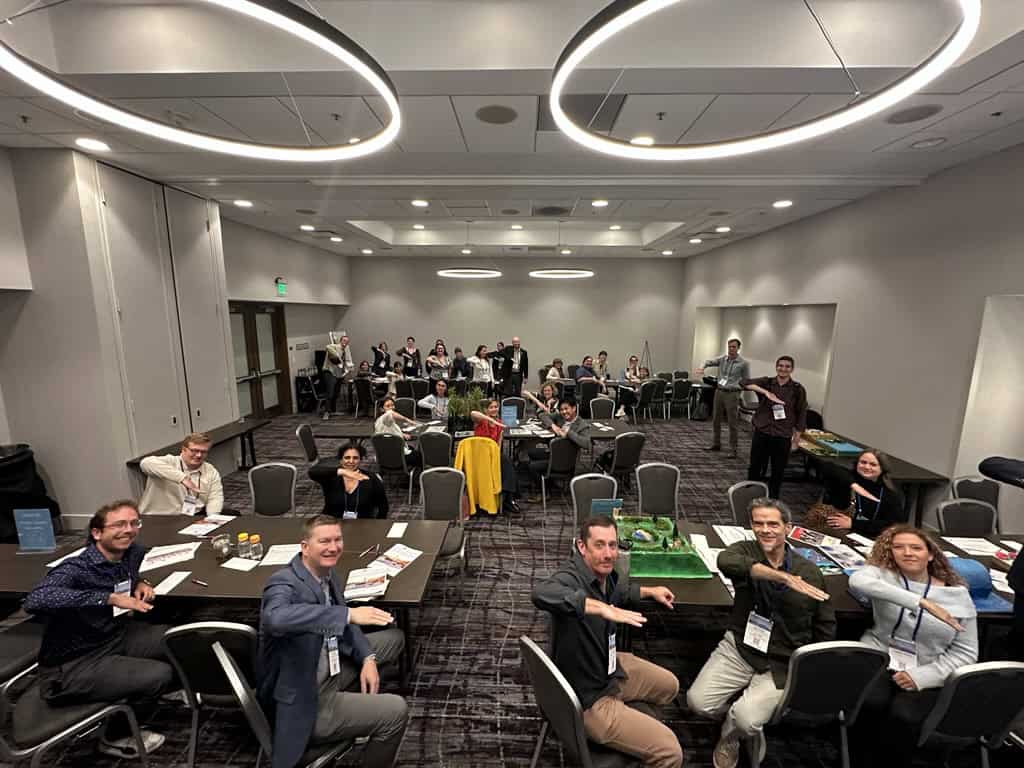
A lot of the work we do feels specific to where we live, and it is. But as unique and wonderful as San Francisco Bay is, it was great to have the chance at RAE to connect with people who are facing similar challenges and working to create some of the same changes we’re championing to build a more climate resilient future. I think that community is especially important now, when so much of the power at the federal level is working against us. Each of the sessions also allowed us to celebrate successes that will hopefully inspire people to keep doing the work and finding allies to support each other.
These crucial conversations can lead to a better understanding of the work we are doing to get ahead of sea level rise across the Bay.