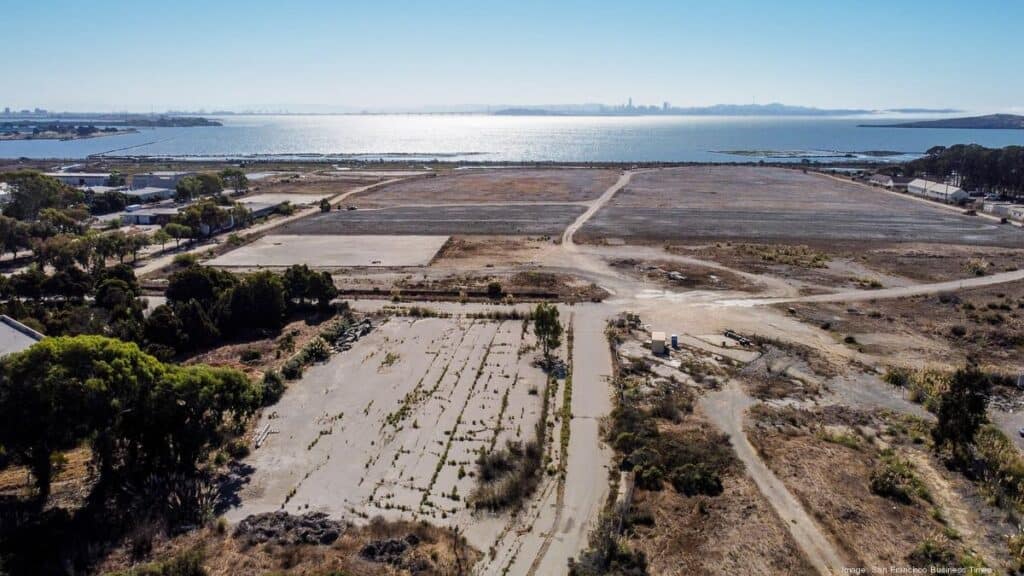
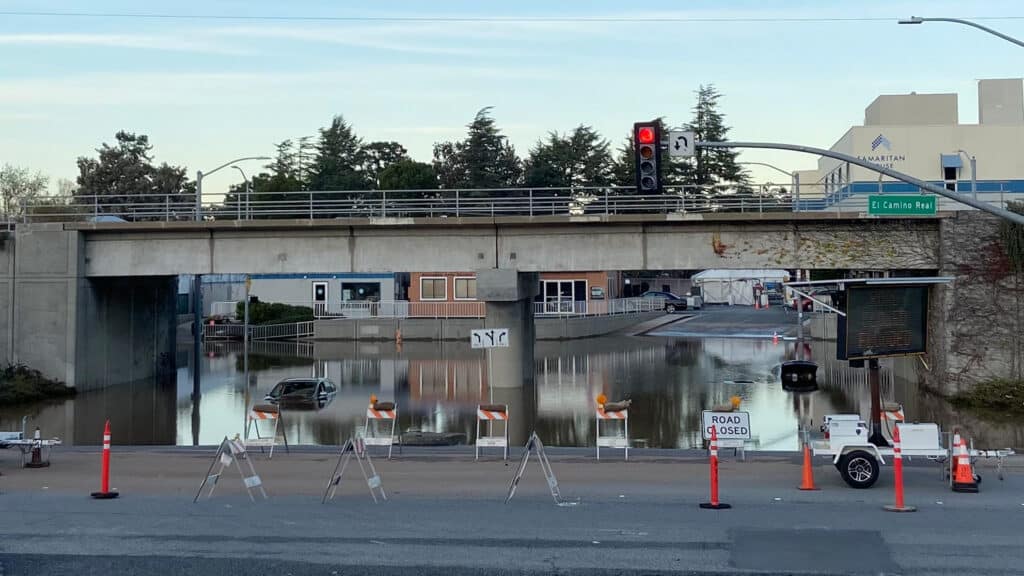
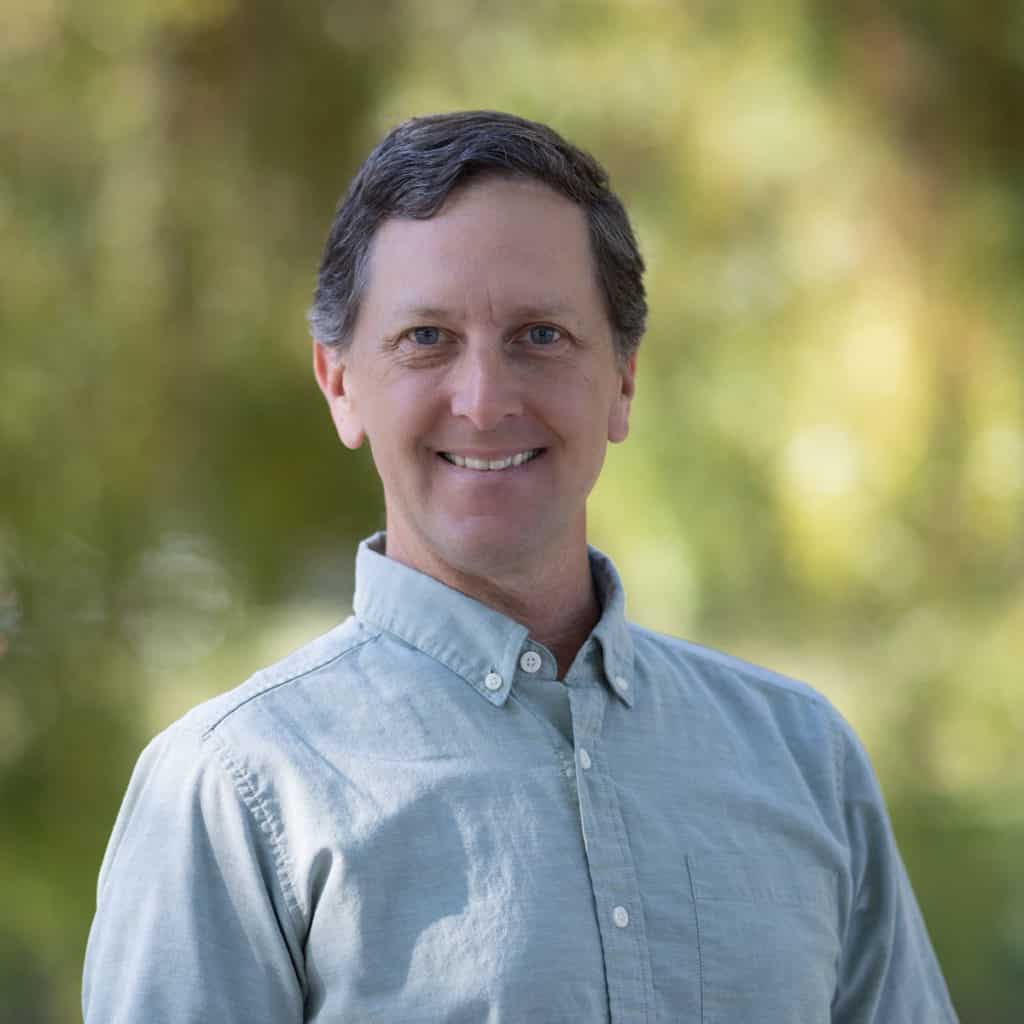
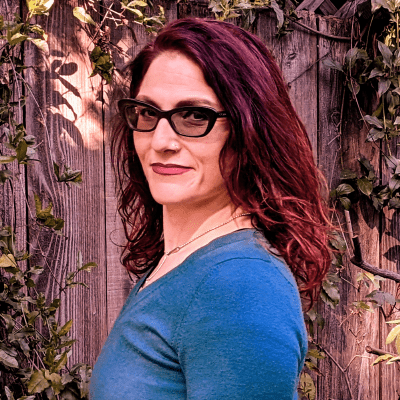
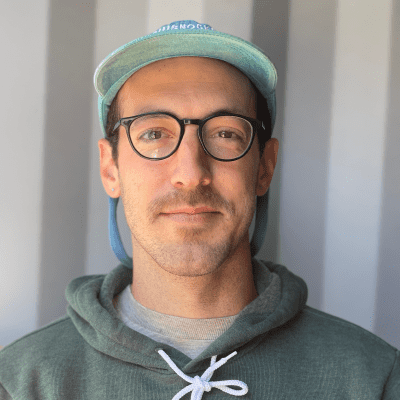
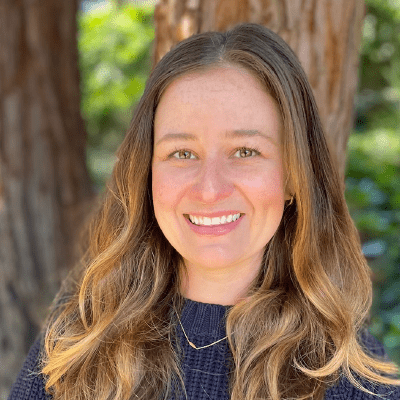
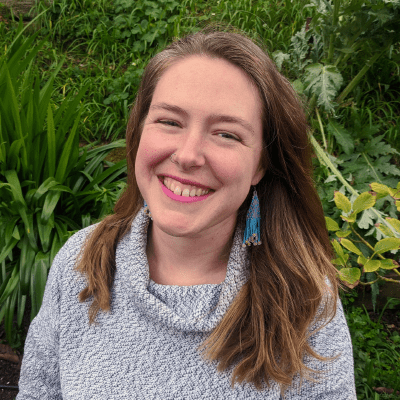
On November 18, Save The Bay sat down with climate experts for Climate Conversations: Green Solutions for a Changing Planet, our latest discussion on how nature-based solutions are shaping a more resilient Bay Area. Together, we explored how we can build with nature to protect Bay Area communities from rising seas and stronger storms. Moderated by Policy Manager Josh Quigley, the conversation highlighted how projects like Palo Alto’s horizontal levee are combining restoration and infrastructure to create habitat, improve water quality, and strengthen flood protection all at once.
Speakers also emphasized the critical role of public funding, long-term planning, and community partnerships in moving these projects from concept to reality. From state investment to hands-on restoration, the discussion underscored that climate resilience succeeds when policy, science, and local communities work together.
We were honored to be joined by three speakers who are advancing resilience across the Bay:
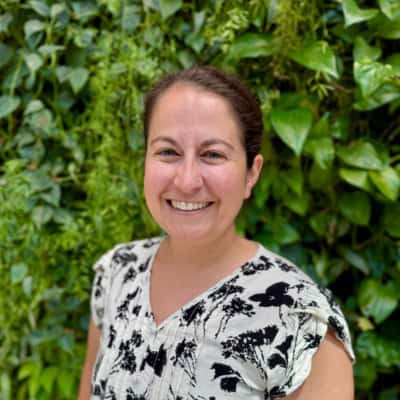
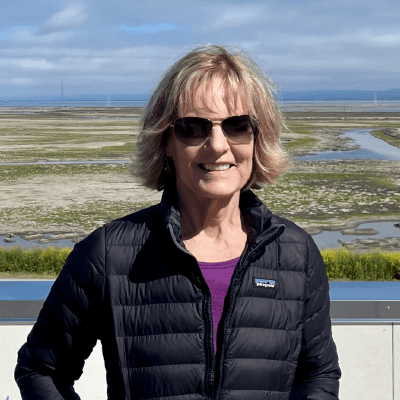
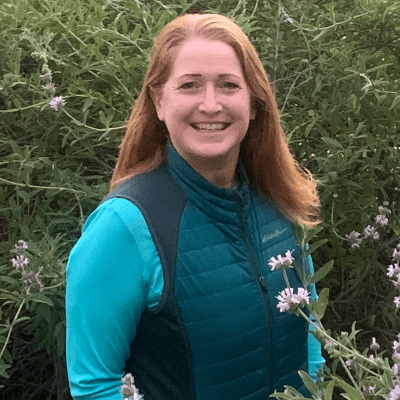
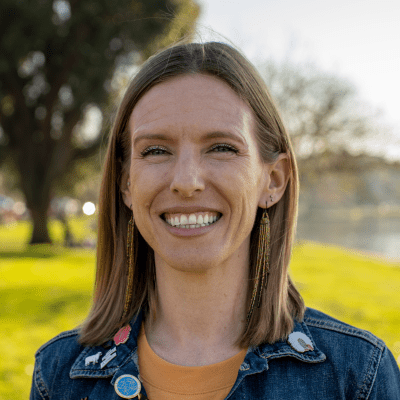
Amy Hutzel Executive Officer, California State Coastal Conservancy
Amy grounded the conversation in urgency, emphasizing that sea-level rise is accelerating and that state investment and equity-centered planning are essential to building long-term resilience.
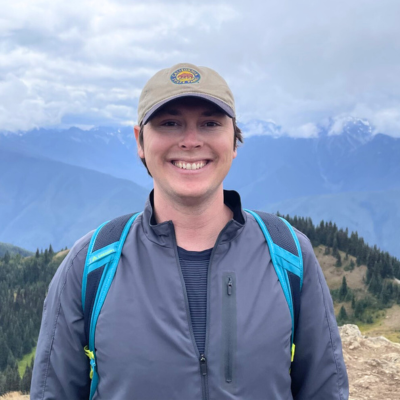
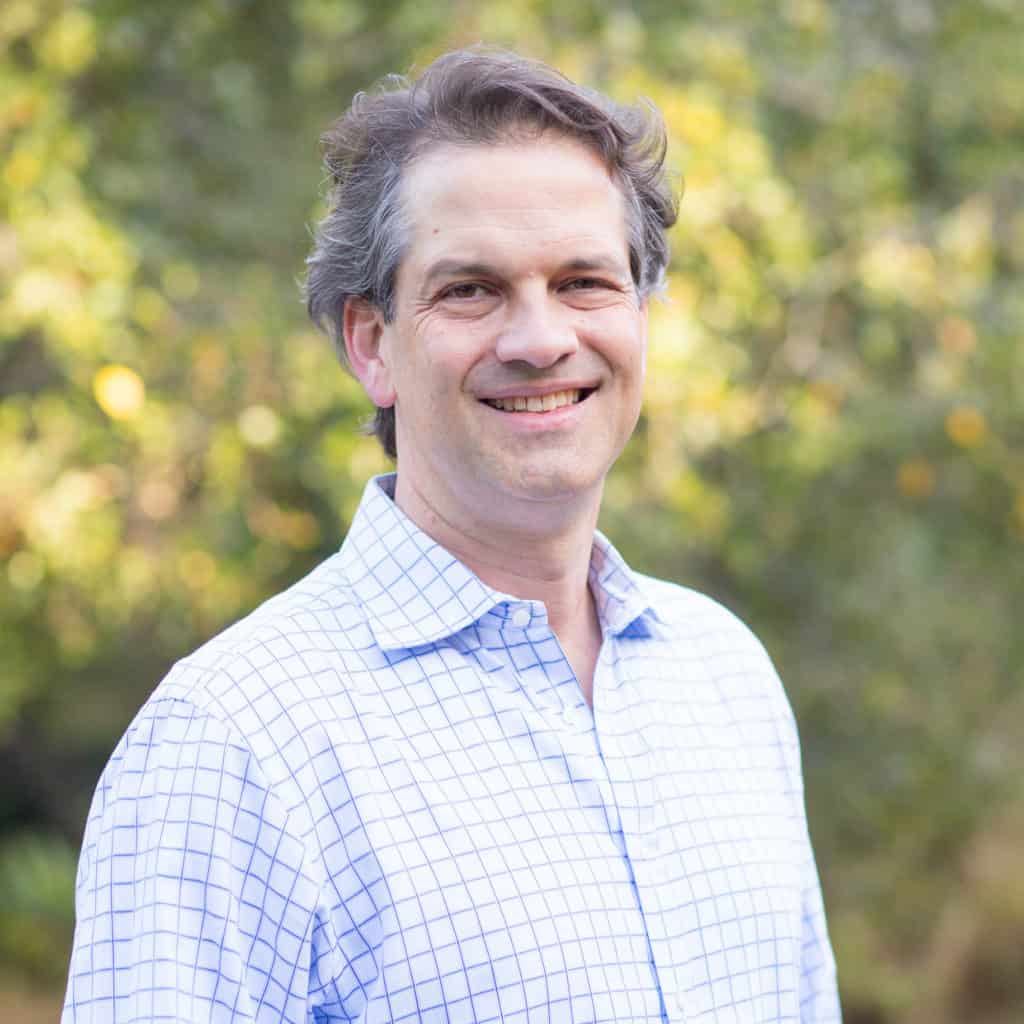
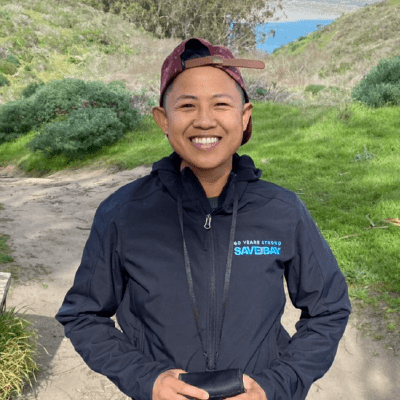
Dave Halsing, Executive Project Manager, South Bay Salt Pond Restoration Project
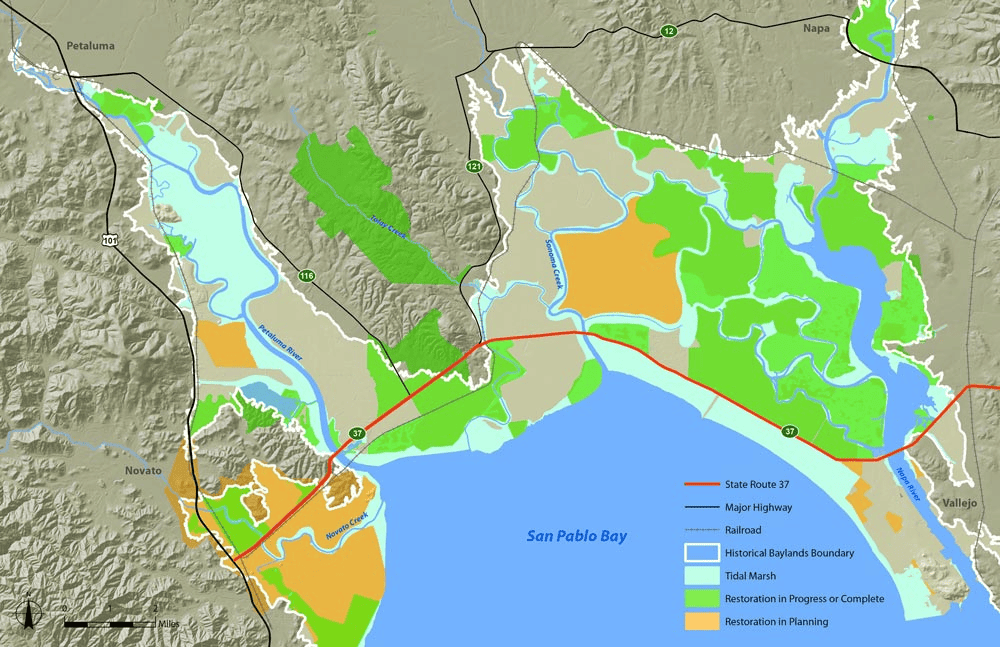
Dave shared lessons from the largest wetland restoration effort on the West Coast, highlighting how restoration, recreation, flood protection, and wildlife benefits can coexist when planning spans decades. For those interested in diving deeper, Dave’s full presentation deck is available here.
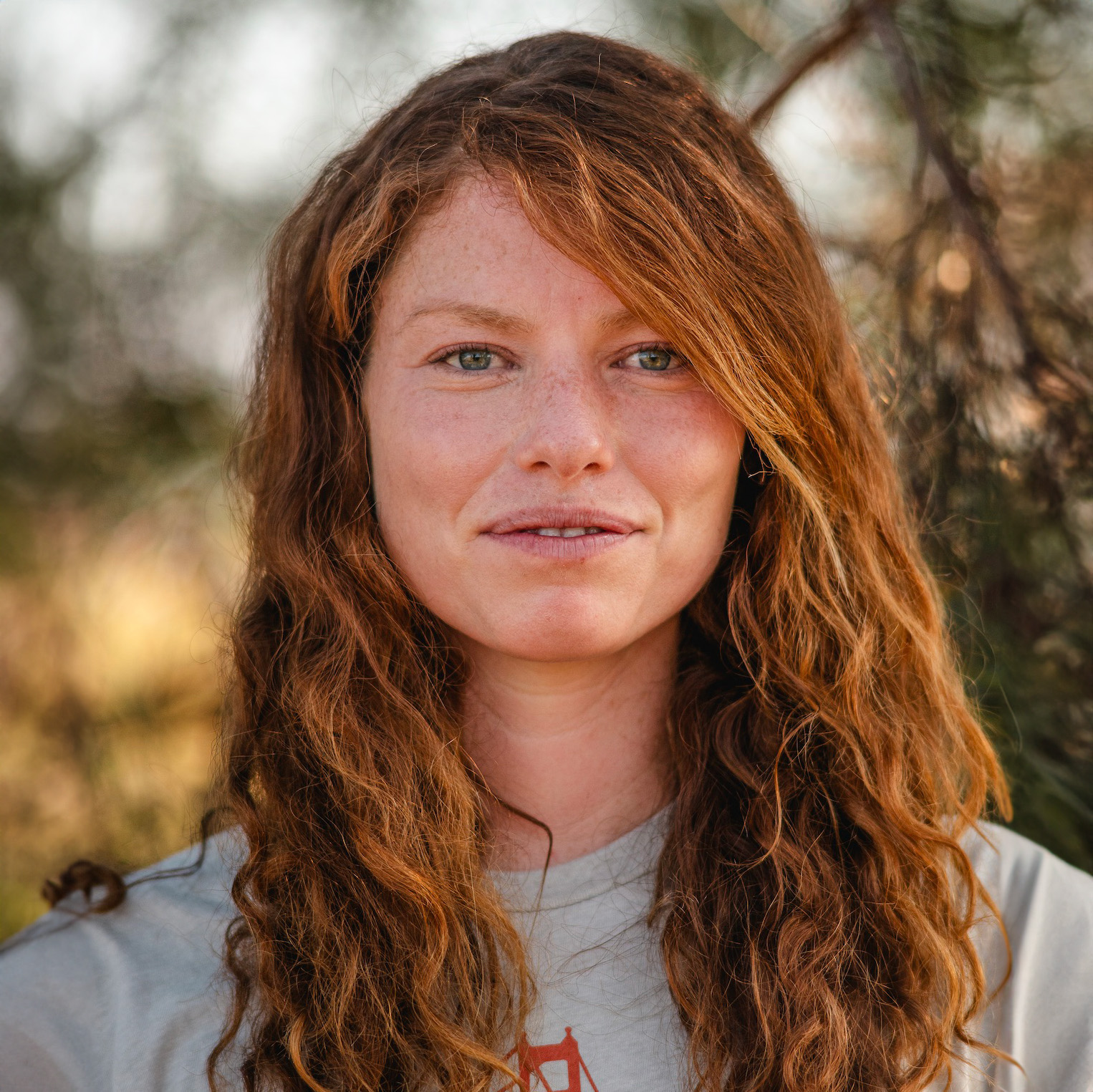
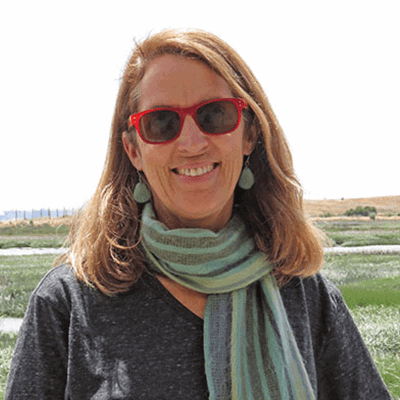
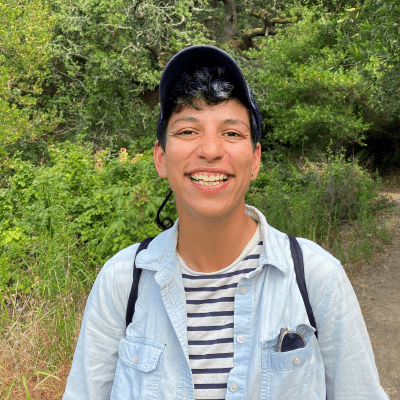
Jesse McKeen-Scott, Restoration Program Manager, Save The Bay
Jesse offered an on-the-ground look at implementing and maintaining restoration projects, underscoring the importance of stewardship, adaptability, and community involvement.
A huge thank-you to our speakers for bringing their expertise to this conversation and for the work they’re doing every day to build a safer, more resilient future for the Bay Area and beyond.
You Asked, We Answered
We received some fantastic questions from our community about the climate resilience work happening throughout the Bay Area. To make sure everyone has the chance to learn from our discussion, those questions and answers can be found below.
How much of a typical wastewater treatment plant’s flow can be “treated” by horizontal levees?
Efficiency depends on the design of the specific levee. At the Oro Loma Sanitary District facility, the proposed horizontal levee designs would allow them to process half a million gallons of treated effluent per day. As the design is refined that amount is expected to increase before the project is built. There are also ways being evaluated to increase the concentration of effluent to allow for more treatment through a horizontal levee without increasing the capacity of how much actual fluid is able to flow through the levee.
There are 37 wastewater treatment plants around the Bay — how many horizontal levees are located at or near them?
Horizontal levees are innovative projects that are just now beginning to be implemented as part of the region’s flood protection and water quality improvement strategy. The first operational horizontal levee is currently under construction at the Palo Alto Regional Water Quality Control Plant. A second project is being designed at the Oro Loma Sanitary District facility in San Lorenzo. The San Francisco Estuary Institute has done initial research on the potential to implement horizontal levees at all 37 treatment plants around the Bay Area, and that research is being refined to identify realistic project opportunities.
Are there any programs or initiatives that focus on the housing side of the berm/ecotone — specifically where people live?
In many cases, a horizontal levee may provide flood protection to more than just a wastewater treatment facility. In the case of the Oro Loma Sanitary District, that project would primarily provide flood protection for the community of San Lorenzo and the City of Hayward, while allowing Oro Loma to remove more pollutants from the water that it treats. Communities also benefit from recreational trails that can be often located on top of horizontal levees, allowing for improved recreational access to the Bay shoreline.
How do you measure the success of a project, and what indicates that it’s complete?
We know that this type of approach works because we have decades of data to back it up! Horizontal levees were first pioneered in 2016 at the Oro Loma Demonstration Project, where Save The Bay helped test large-scale native plant propagation methods. The plants thrived, water quality improved, and the project proved that nature-based levees can reduce contaminants, support habitat, and strengthen shoreline resilience. Today, researchers are still using Oro Loma as a living laboratory, and results from the site continue to inform new projects across the Bay Area. You can learn more by visiting our Bay Story about the project.
A levee project is considered complete once construction is finished. Many levee projects also receive certification from FEMA indicating that they are designed to withstand current flood risks. But many projects are going further and being designed to incorporate sea level rise projections to ensure that they will continue to provide flood protection into the future.
Do you think the SF Bay Water Quality Improvement Fund fund will return?
The SF Bay Water Quality Improvement Fund never actually went away – it was converted into what’s now called the EPA’s SF Bay Program. This was the result of nearly 12 years of advocacy by Save The Bay and the leadership of Speaker Pelosi, former Rep. Jackie Speier, and former Senator Dianne Feinstein. The program is now permanently authorized, and receives an annual appropriation of funding, which is currently $54.5 million. We are working with the Bay Area congressional delegation to ensure that funding level is consistent and also hoping to grow it over time. The horizontal levee project at the Oro Loma Sanitary District facility has received significant funding through this program, and other horizontal levee projects could also benefit from this federal funding.
How can local companies support restoration or horizontal levee projects as part of their sustainability goals?
Local companies can support restoration and horizontal levee projects in several ways — and many already are. For example, Meta is a partner in the SAFER Bay project, and emerging tools like climate resilience districts create new pathways for private investment in nature-based solutions.
At Save The Bay, we work closely with corporate partners through hands-on volunteer programs, sponsorships, and other mission-aligned opportunities that advance restoration and climate resilience across the region. Visit our Corporate Partnerships page for more information.
What You Can Do Next
Here are a few ways you can get involved and help advance green solutions for climate resilience:
- Watch & share the recording to help spread awareness of nature-based solutions.
- Volunteer with Save The Bay to support shoreline restoration that strengthens flood resilience.
- Stay informed by subscribing for information on future webinars, advocacy efforts, and project milestones.
- Follow the important work being done by Save The Bay, California State Coastal Conservancy, and South Bay Salt Pond Restoration Project for the latest news and updates.
Advance the Projects You Heard About
Nature-based solutions work—but scaling them requires sustained support. Donate today to fund restoration, climate-ready infrastructure, and community-led action across the Bay.
Thank You to Our Sponsors
A heartfelt thank you to our generous sponsors for supporting this webinar and the vital climate resilience work behind it. Your investment helps advance the projects, partnerships, and policy efforts needed to protect the Bay for generations to come.