Fiscal Year 2024 – 2025 | October 1, 2024 – September 30, 2025
The Bay Connects Us
San Francisco Bay connects all of us. It shapes our communities, shelters wildlife, and gives our region its character. This year, your support helped protect that shared home, from city council chambers to the shorelines.
This report belongs to you — the volunteers who showed up season after season, the students who spent a day by the water, the donors who supported a resilient future, and the staff and partners who did the work every day. You made this year possible.
Advocate
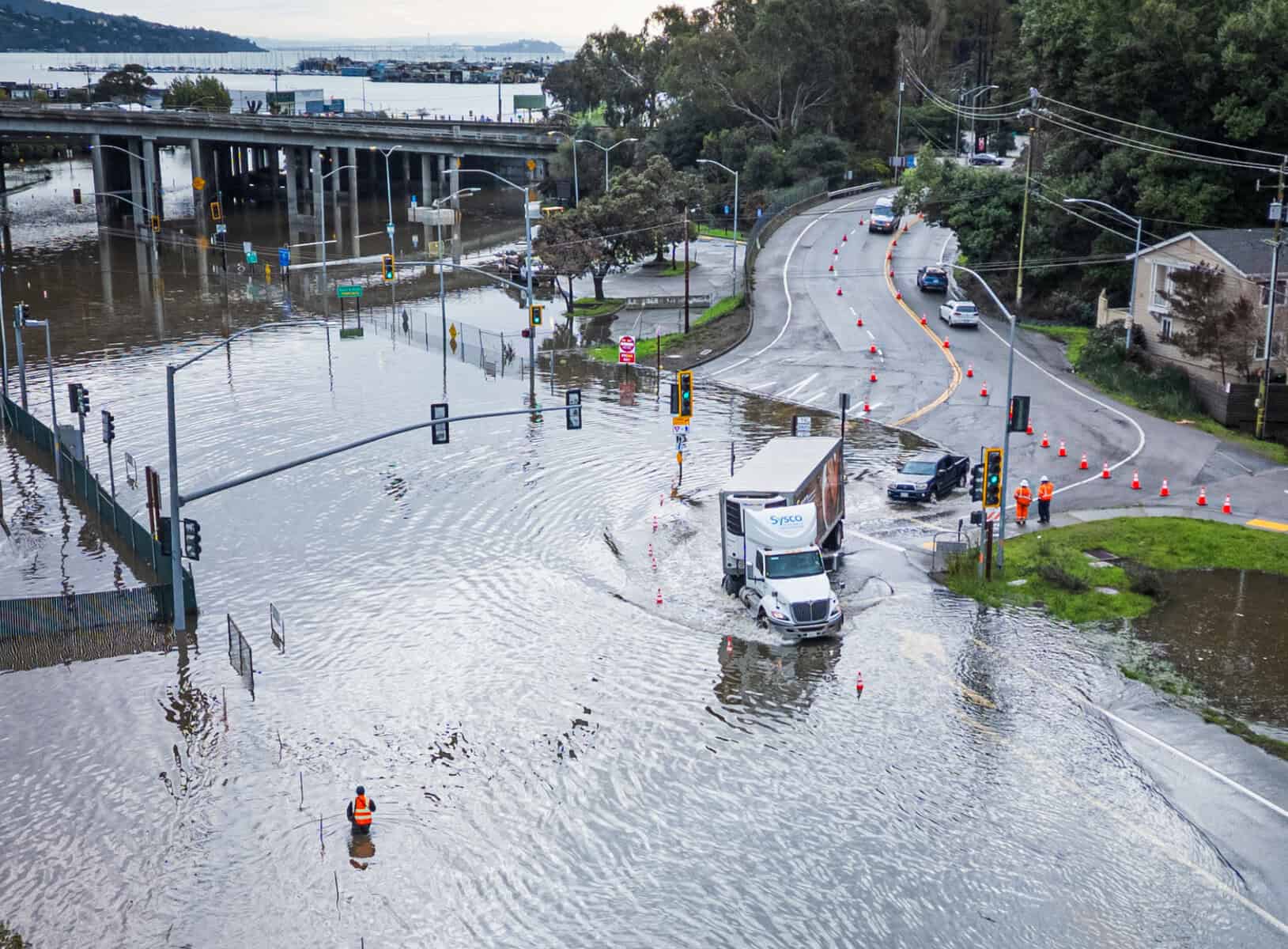
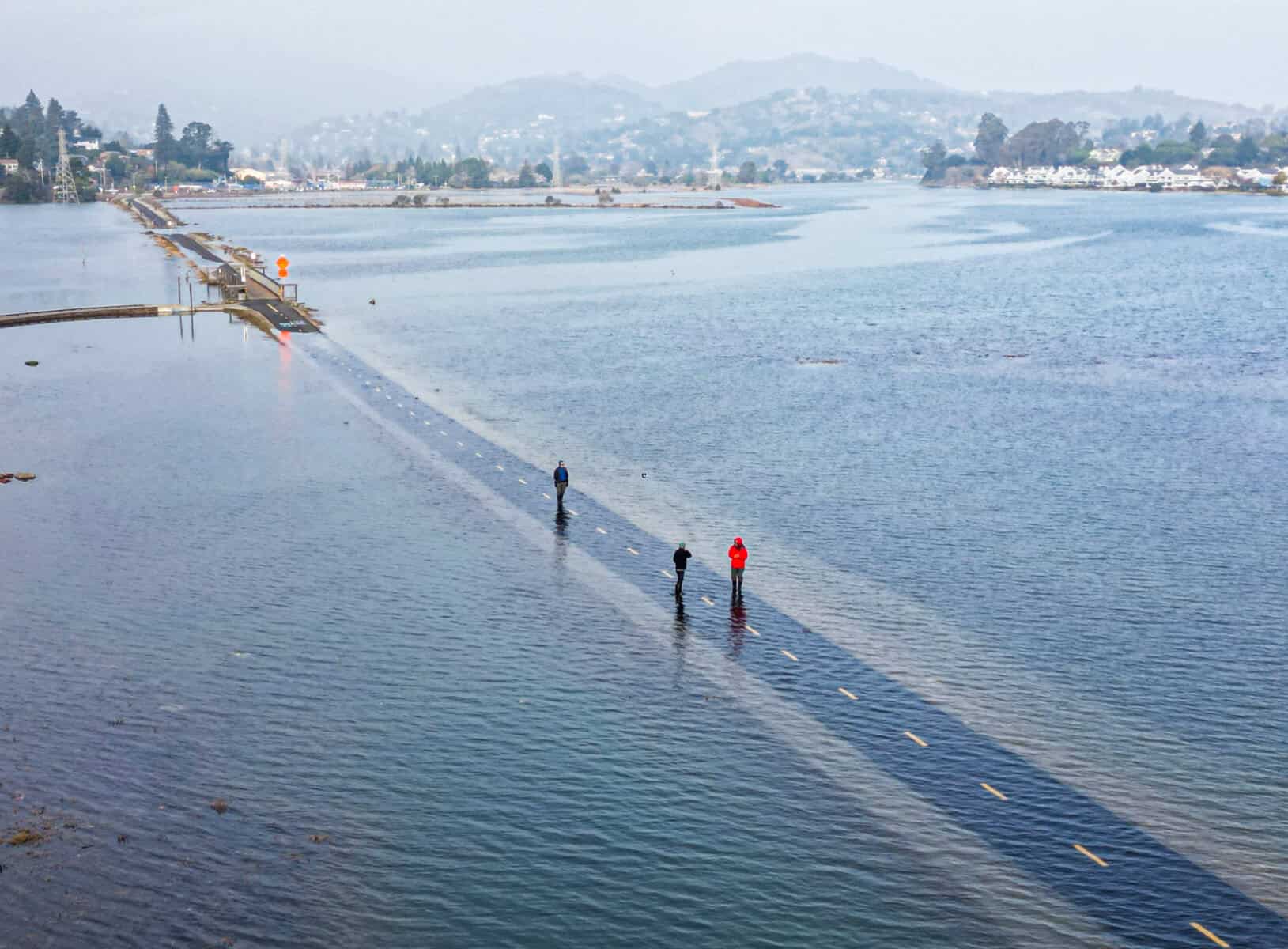
Rising seas and stronger storms are no longer a distant worry for the Bay Area. They are here. But solutions are here too, and this year, your support helped put them to work. Thanks to you, our policy team helped secure funding for shoreline projects, worked directly with elected officials, and showed our region what a climate-ready Bay Area can look like.
Helping Bay Area Cities Prepare for the Future
Climate change is a global issue, but local governments play a key role in protecting cities from effects like sea level rise and flooding. They can set standards to ensure buildings in flood zones are flood-resilient, upgrade critical infrastructure, preserve and restore wetlands, and build shoreline protection projects. That’s why Save The Bay developed our Sea Level Rise and Flood Resilience Snapshots, to help guide cities and counties as they plan for the future.
Snapshots developed by our policy team evaluated all 42 shoreline cities against 25 criteria, all grounded in science and best practices, and laid out the local policy and planning strategies needed to make our region resilient into the future. Now they’re working directly with elected officials in Hayward, East Palo Alto, Menlo Park, and South San Francisco to advocate for show which policies their city could adopt to better protect their communities.
We’re encouraging these cities to choose nature-based solutions, like wetland restoration, to protect people from flooding. Adopting these policies helps cities meet the state’s planning requirements — and prepares them for groundwater rise and extreme storms, too.
Turning Prop 4 Funding into Climate Projects
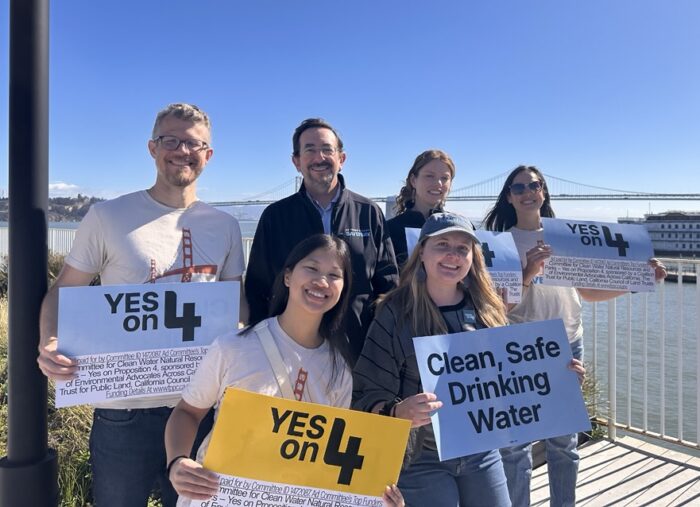
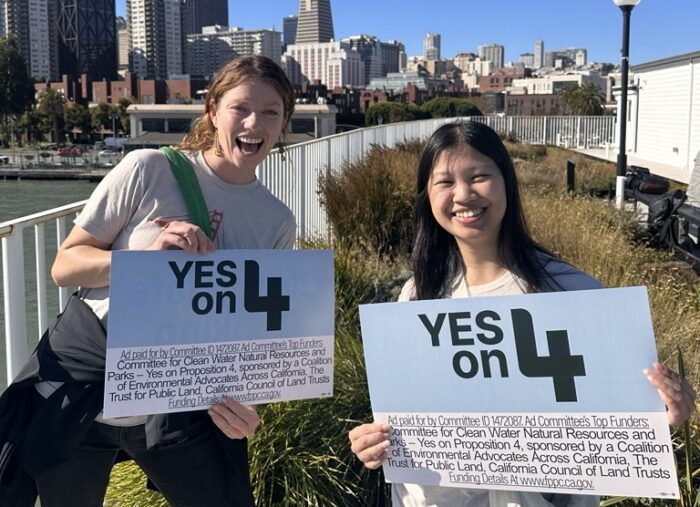
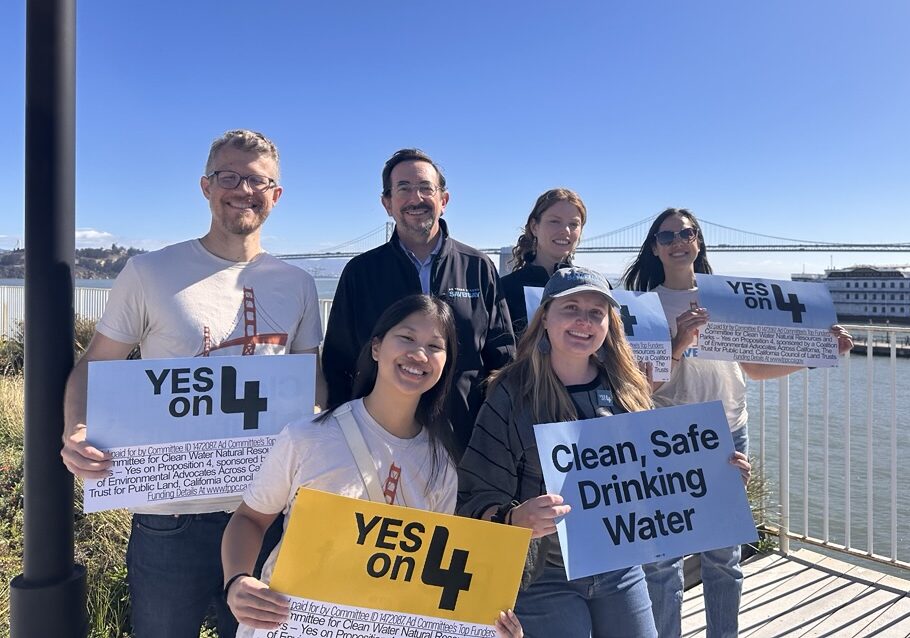
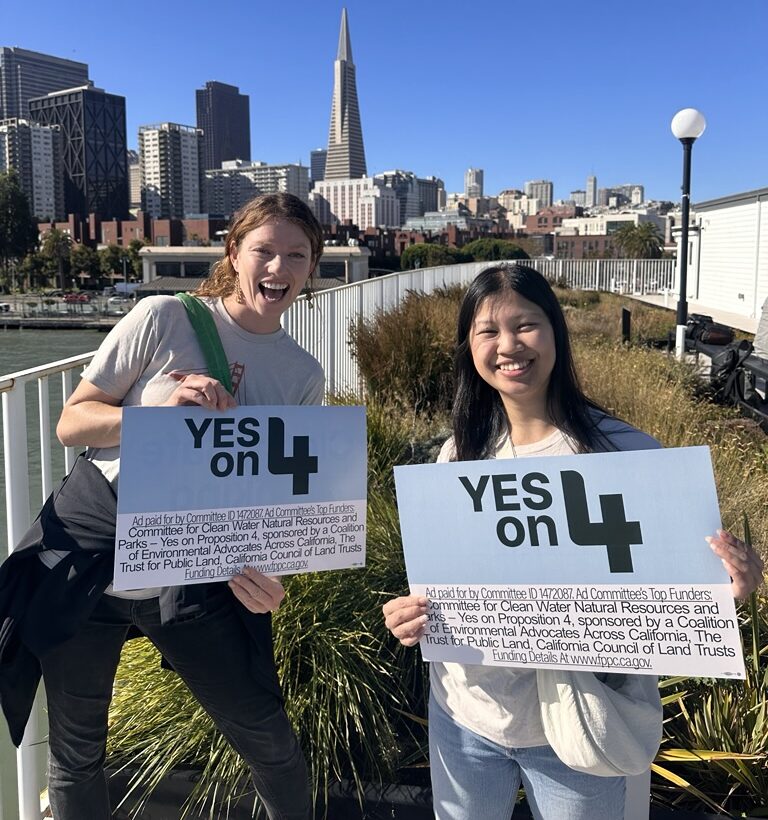
In November 2024, Californians voted to pass Proposition 4. This year, that win started paying off. More than $1 billion is now set aside for coastal climate resilience across California, with a requirement that 40% of it benefit low-income or climate-vulnerable communities.
Working alongside Senator Josh Becker, our policy team helped speed up how quickly that funding reaches communities. Together, they increased the amount available this year to more than $100 million for shoreline adaptation and sea level rise, including $40 million for Bay Area projects.
Now we’re reaching out to cities directly, encouraging them to access this funding for the shoreline resilience and stormwater projects we identified through our Snapshot process.
Envisioning a New Levee in Hayward
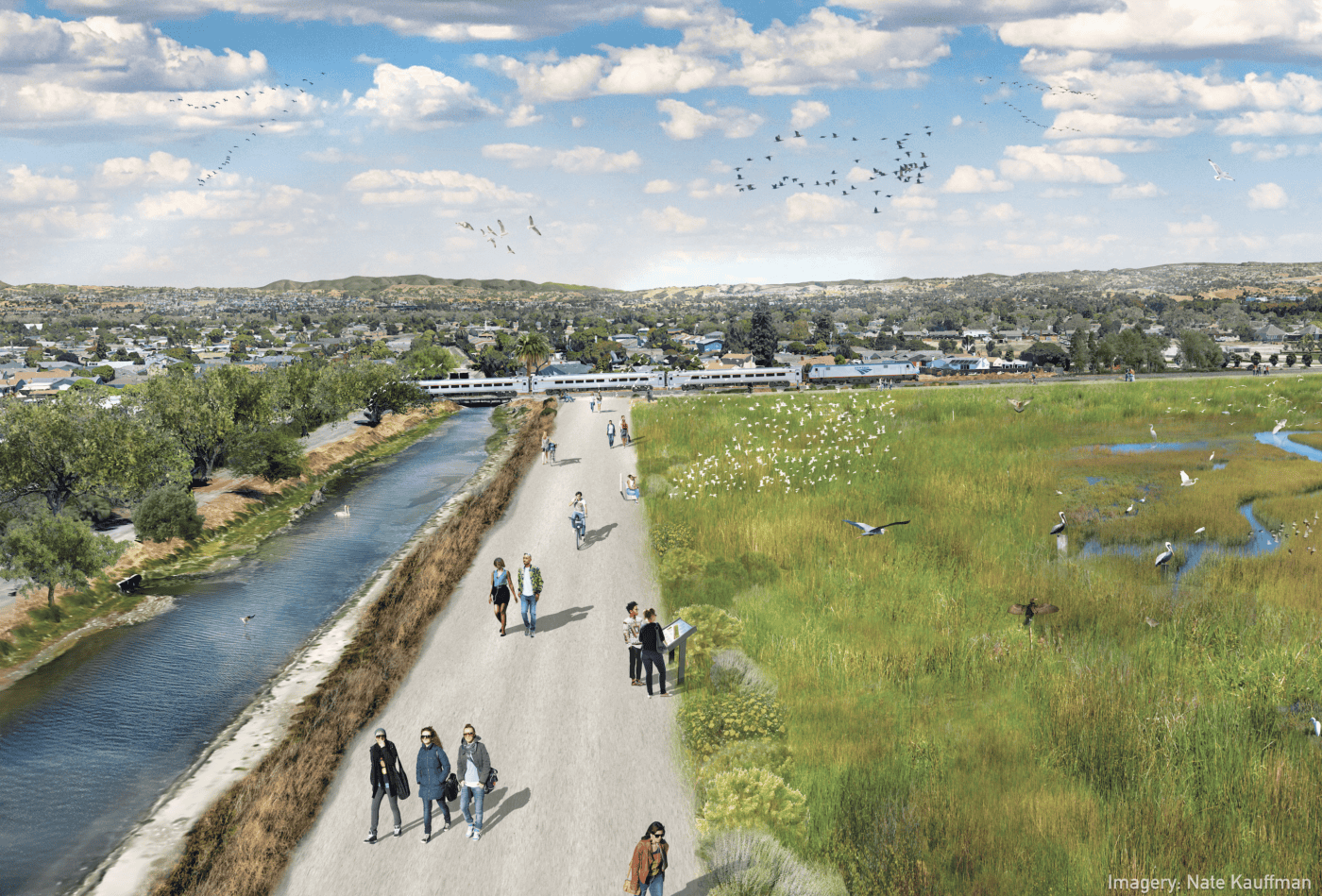
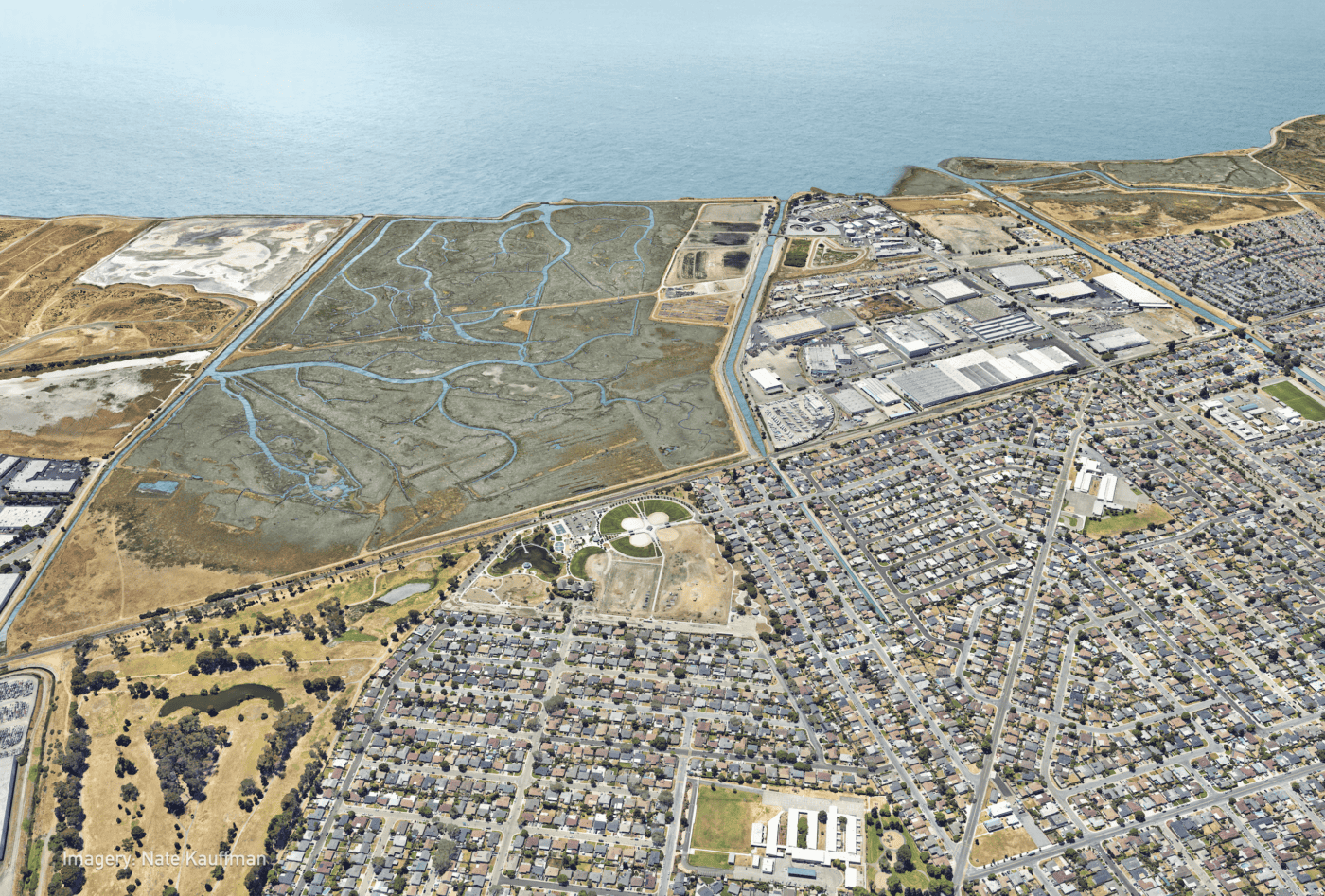
The planned First Mile Horizontal Levee on the Hayward shoreline is a focus of our advocacy work for good reason. It’s an exciting opportunity, and a glimpse at what shorelines around the Bay could look like in the near future.
So, what makes this project so special? It’s a multi-benefit solution: it treats wastewater, buffers shoreline communities from flooding, provides habitat, and opens up access to nature for nearby neighborhoods, all at the same time. Underground soil beds built into the levee filter pollutants naturally before treated wastewater reaches the Bay.
And the approach has already been tested. At a nearby “living laboratory” at the Oro Loma Wastewater facility — a site Save The Bay was part of in its early stages — researchers are studying which plant and soil combinations work best to keep harmful pollutants out of our Bay.
Projects like this show what regional collaboration can do. Agencies, elected officials, community organizations, the San Francisco Estuary Partnership, and the East Bay Dischargers Authority are all pushing this work forward.
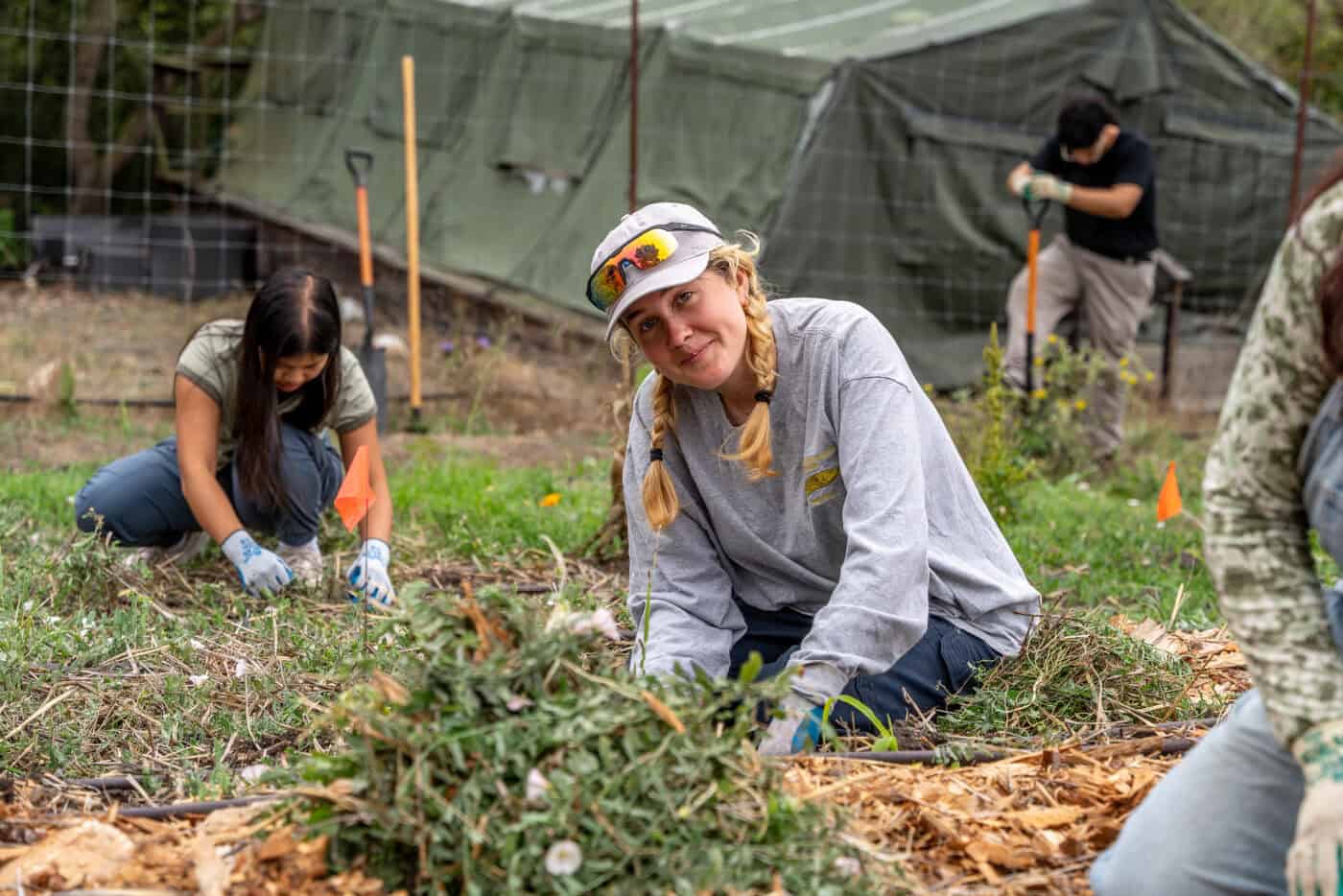
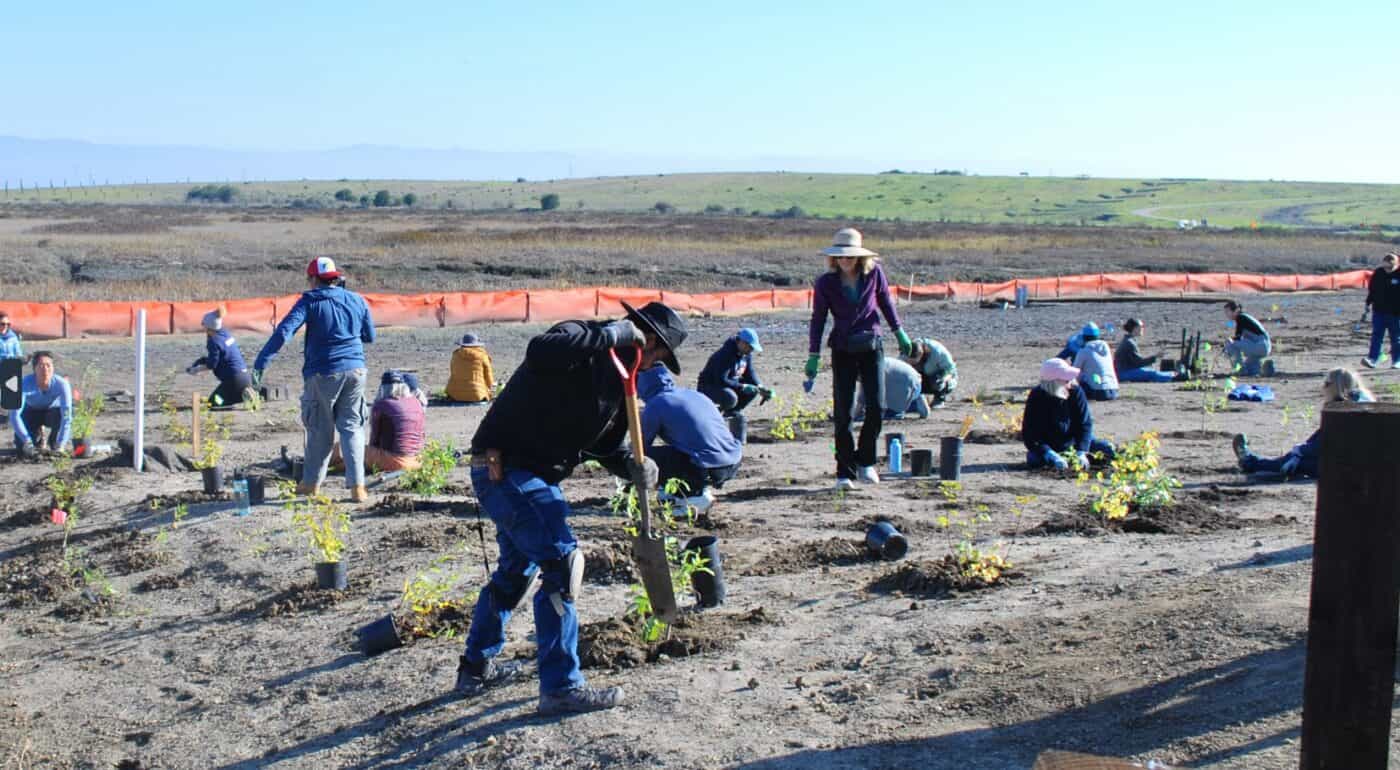
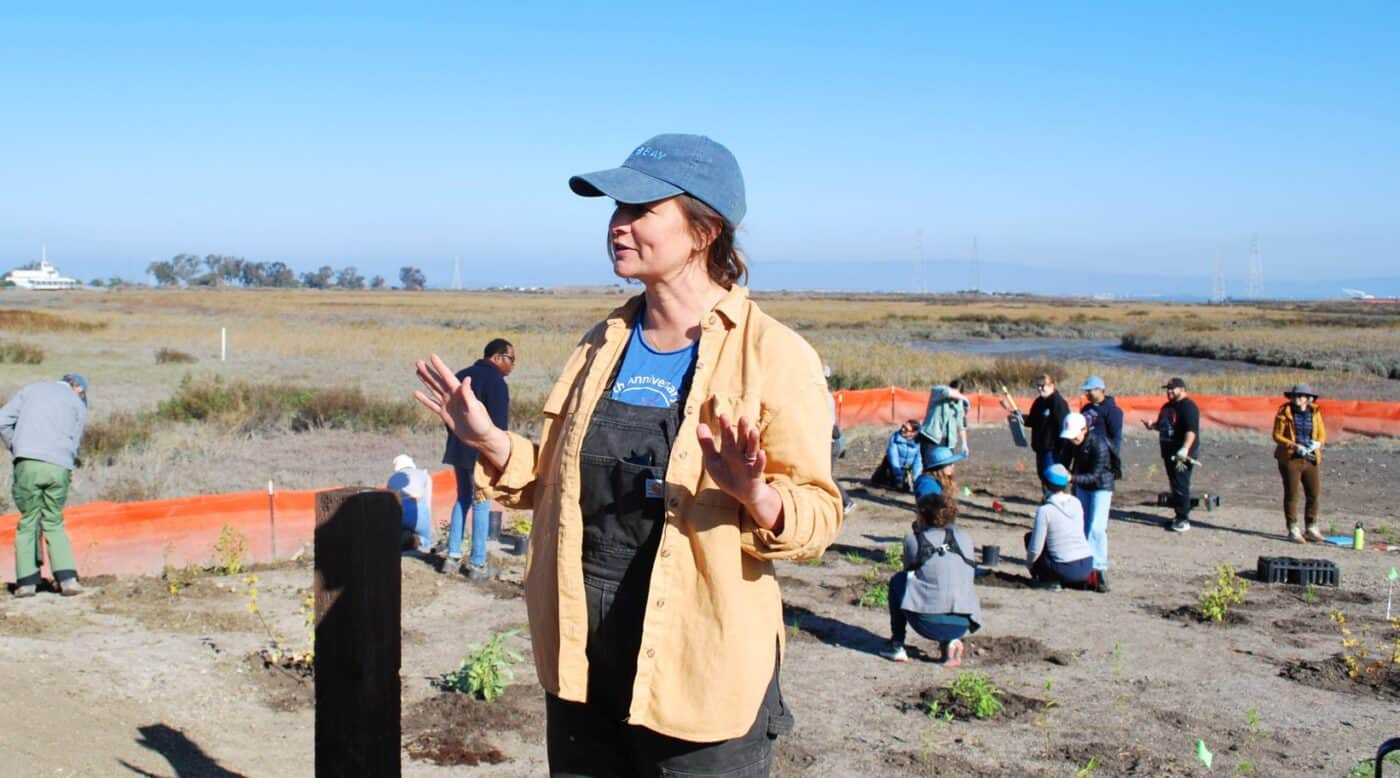
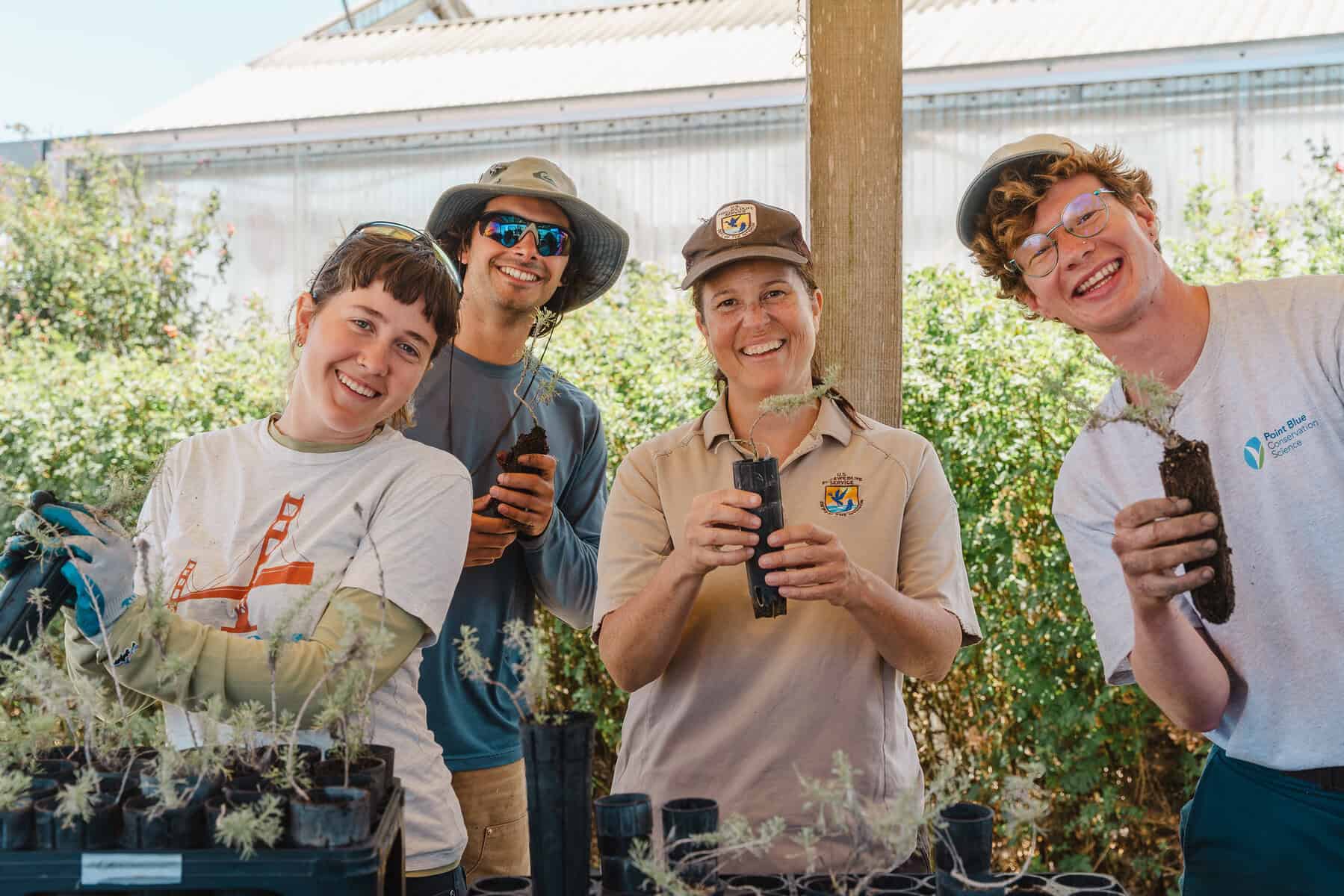
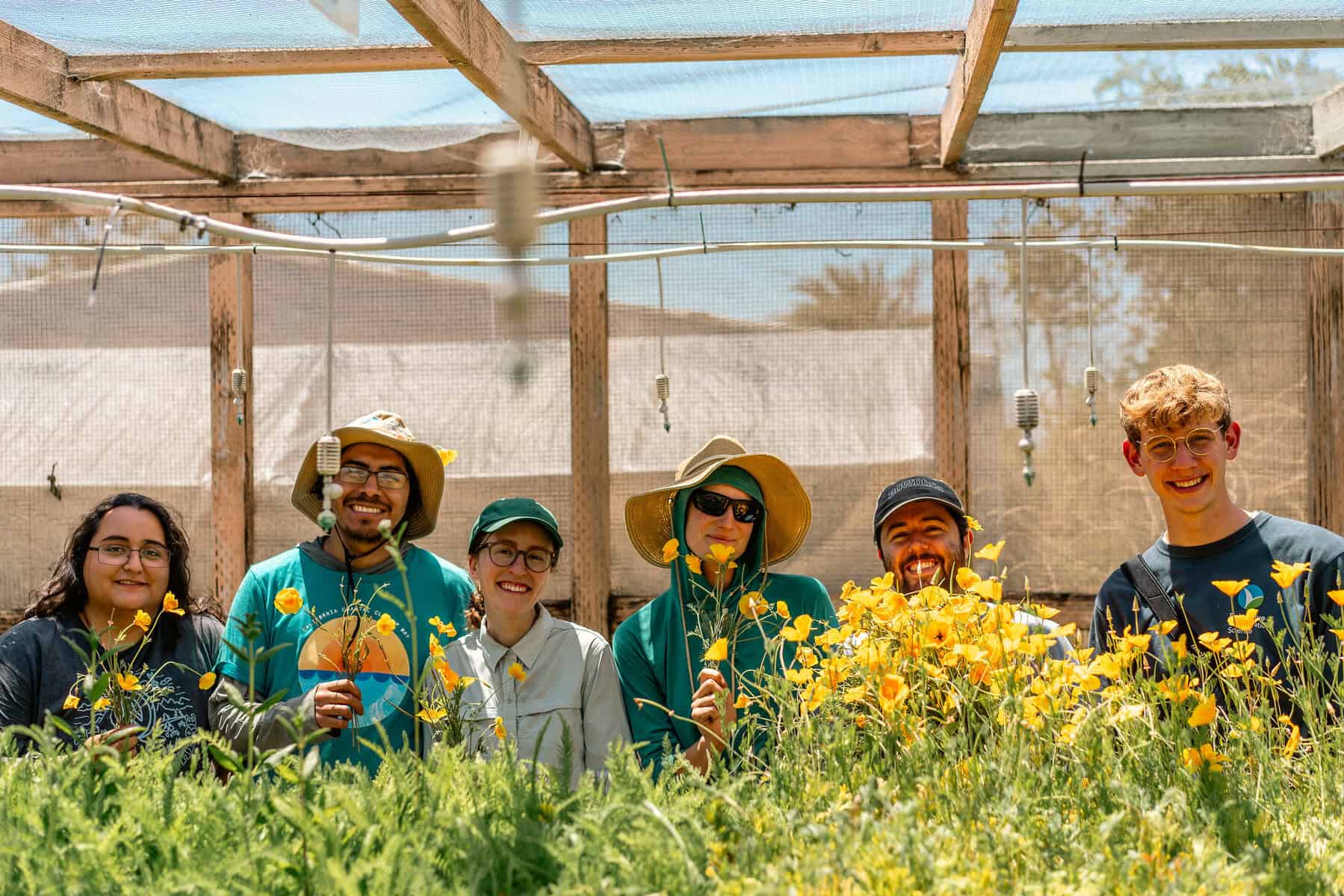
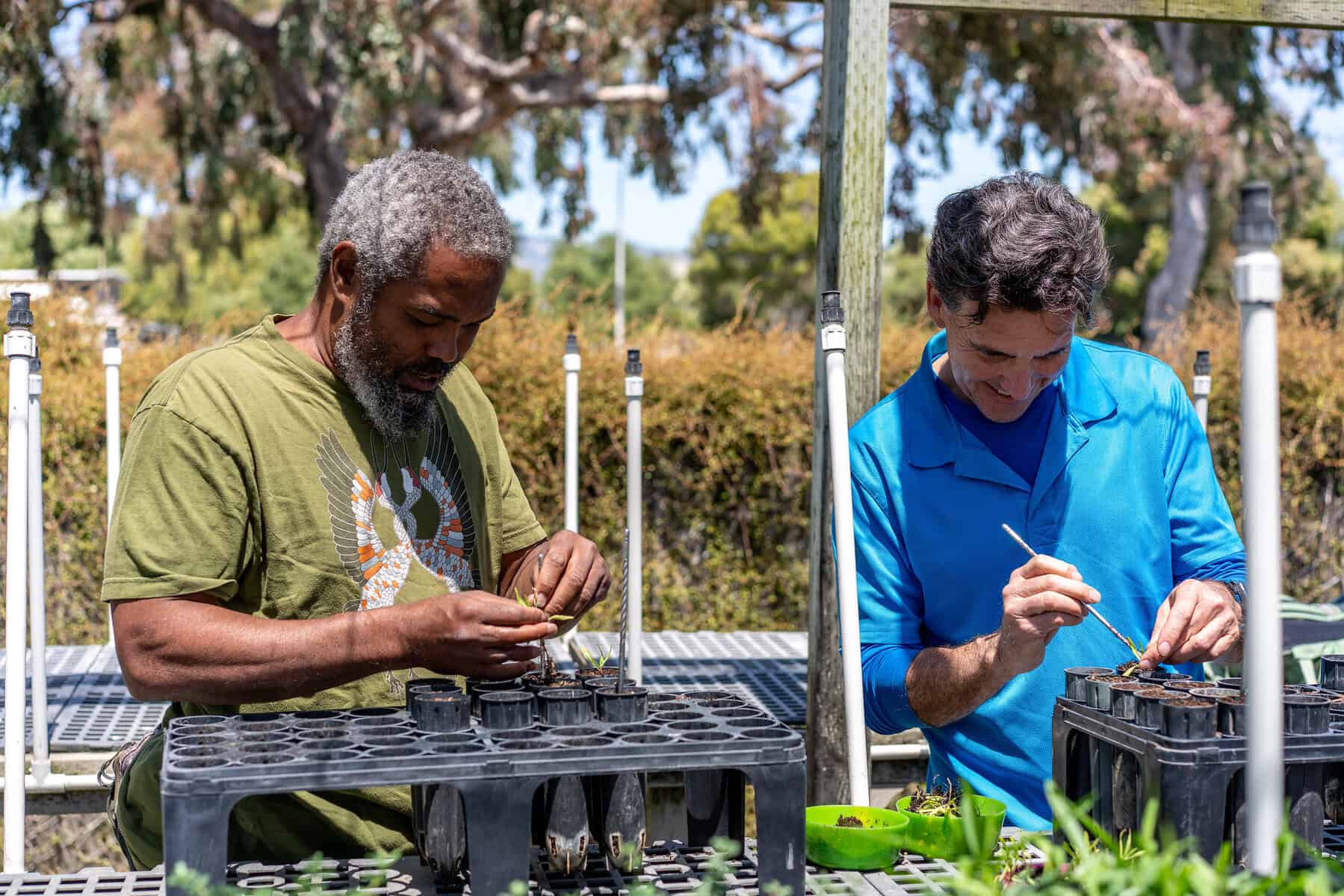
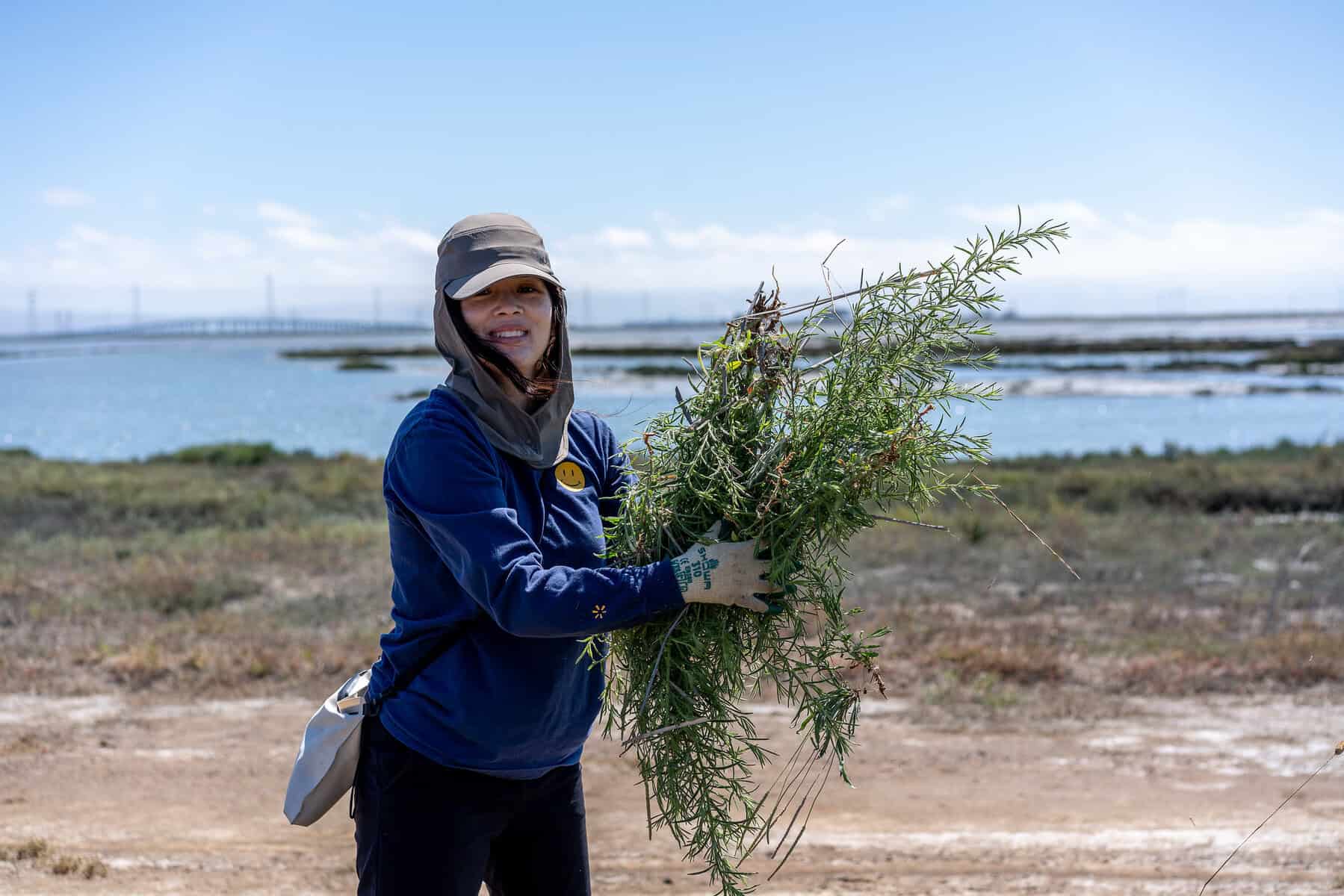
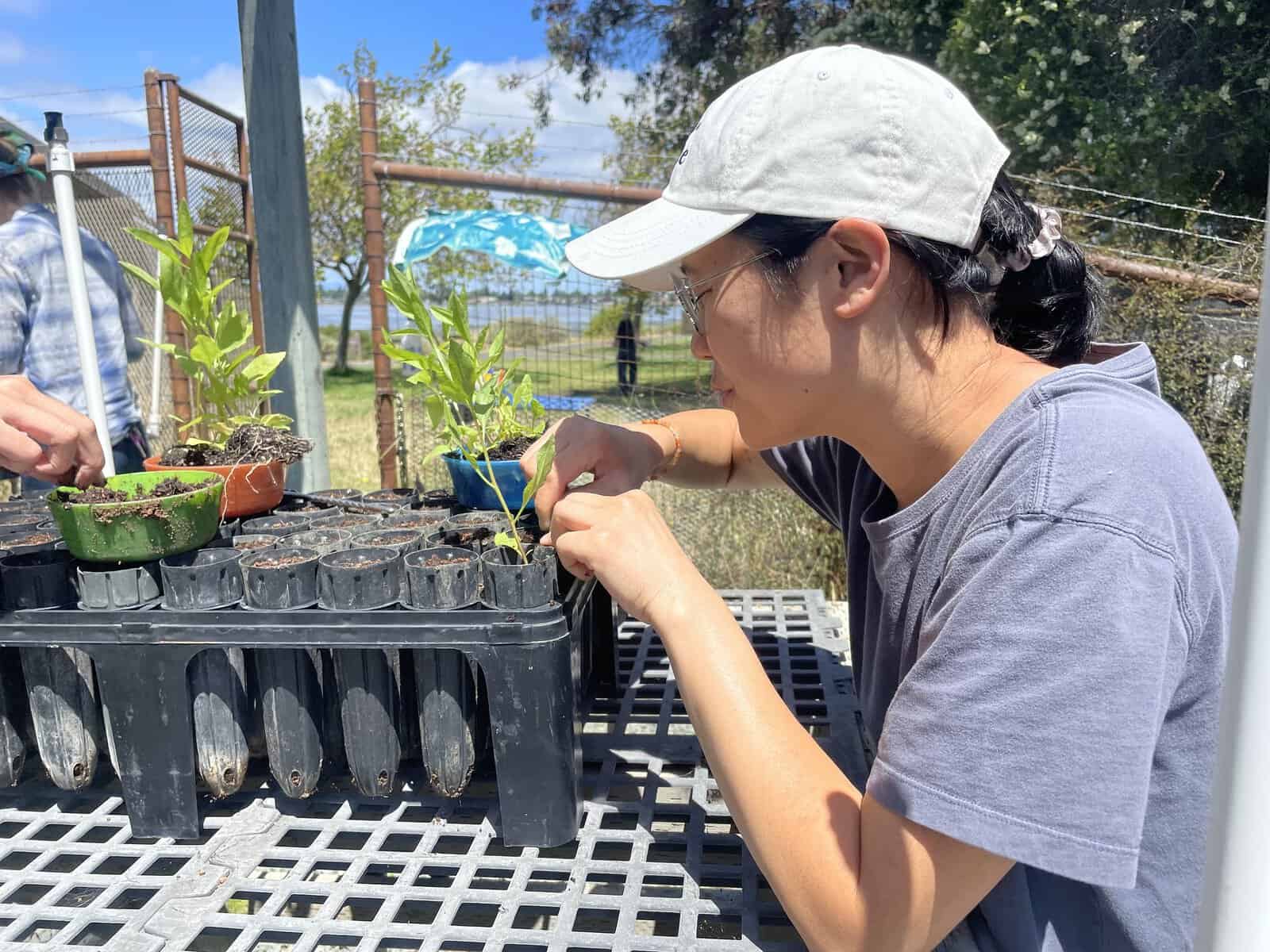
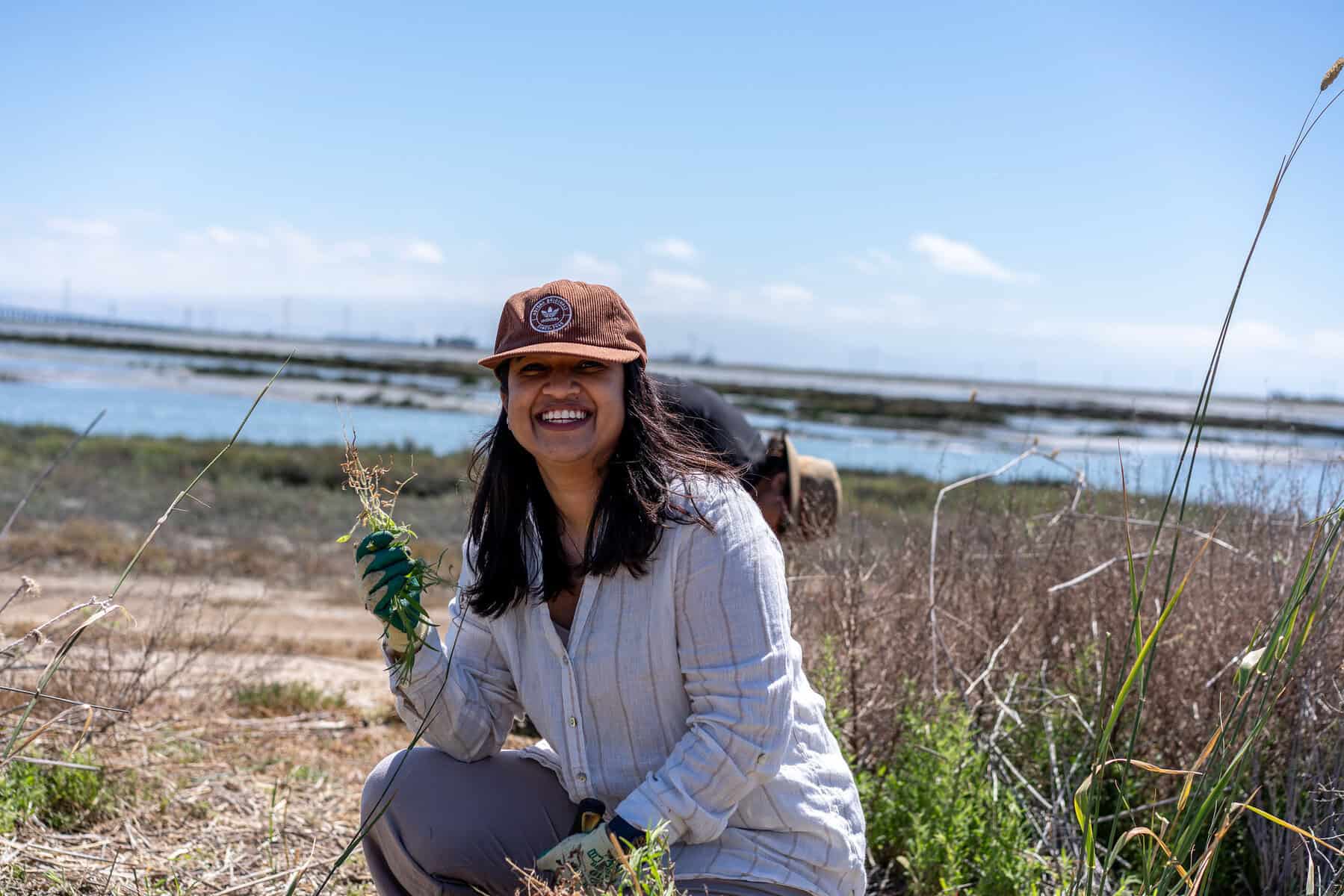
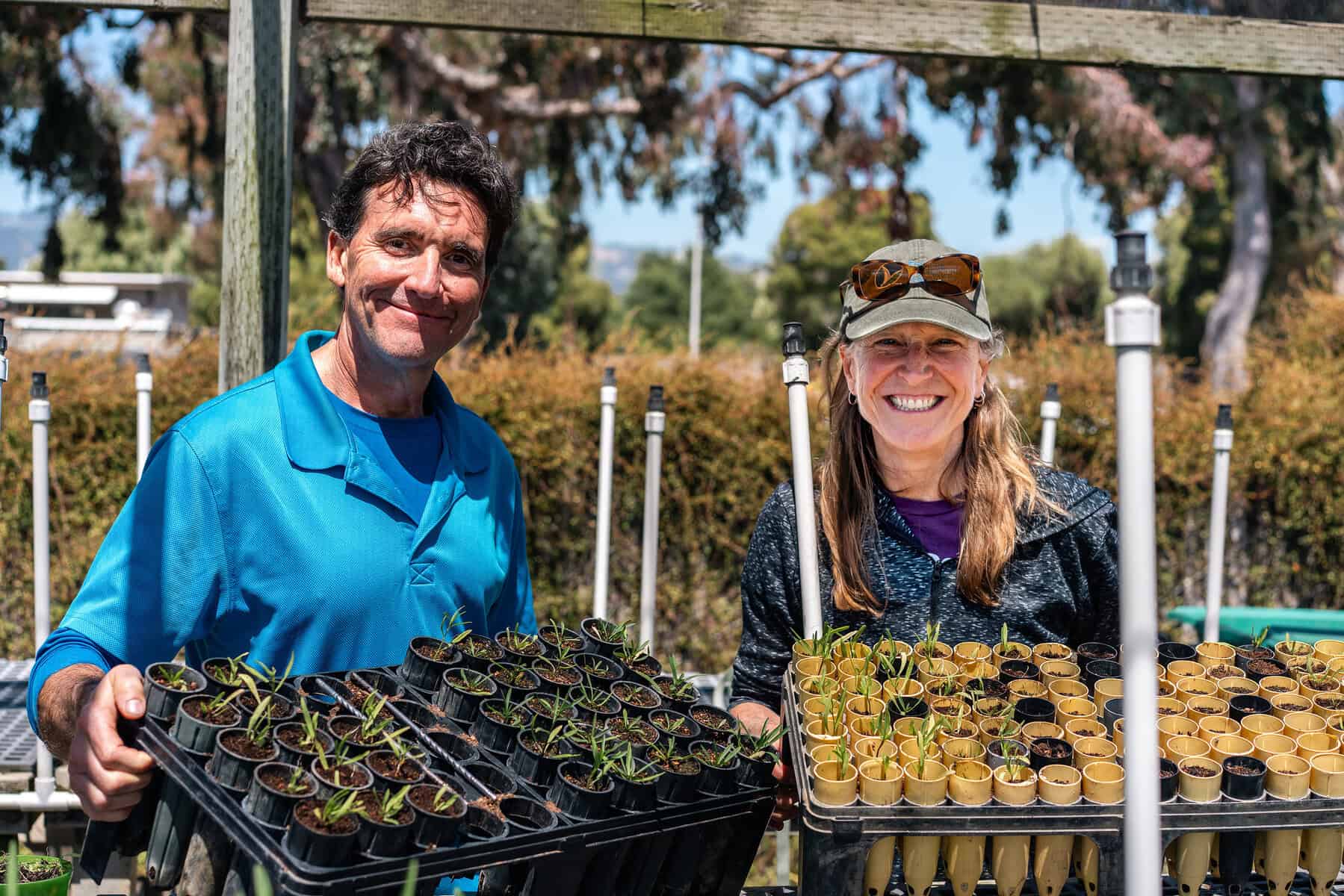
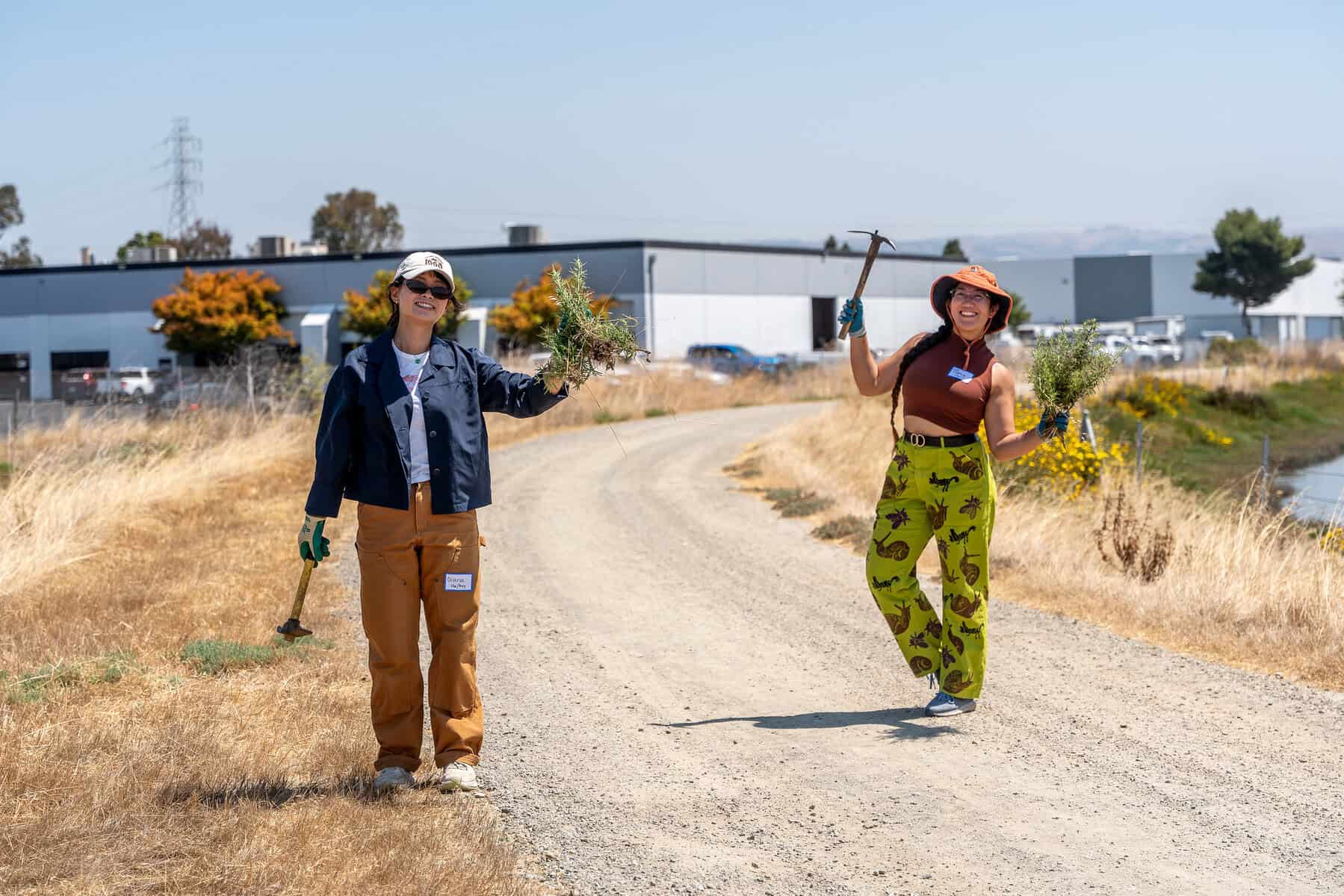
It takes hard work to restore a shoreline, and many hands. Season after season, our community showed up. Corporate partners brought their teams to the shoreline, community groups transplanted seedlings in the nursery, and individuals turned out for public programs around the Bay.
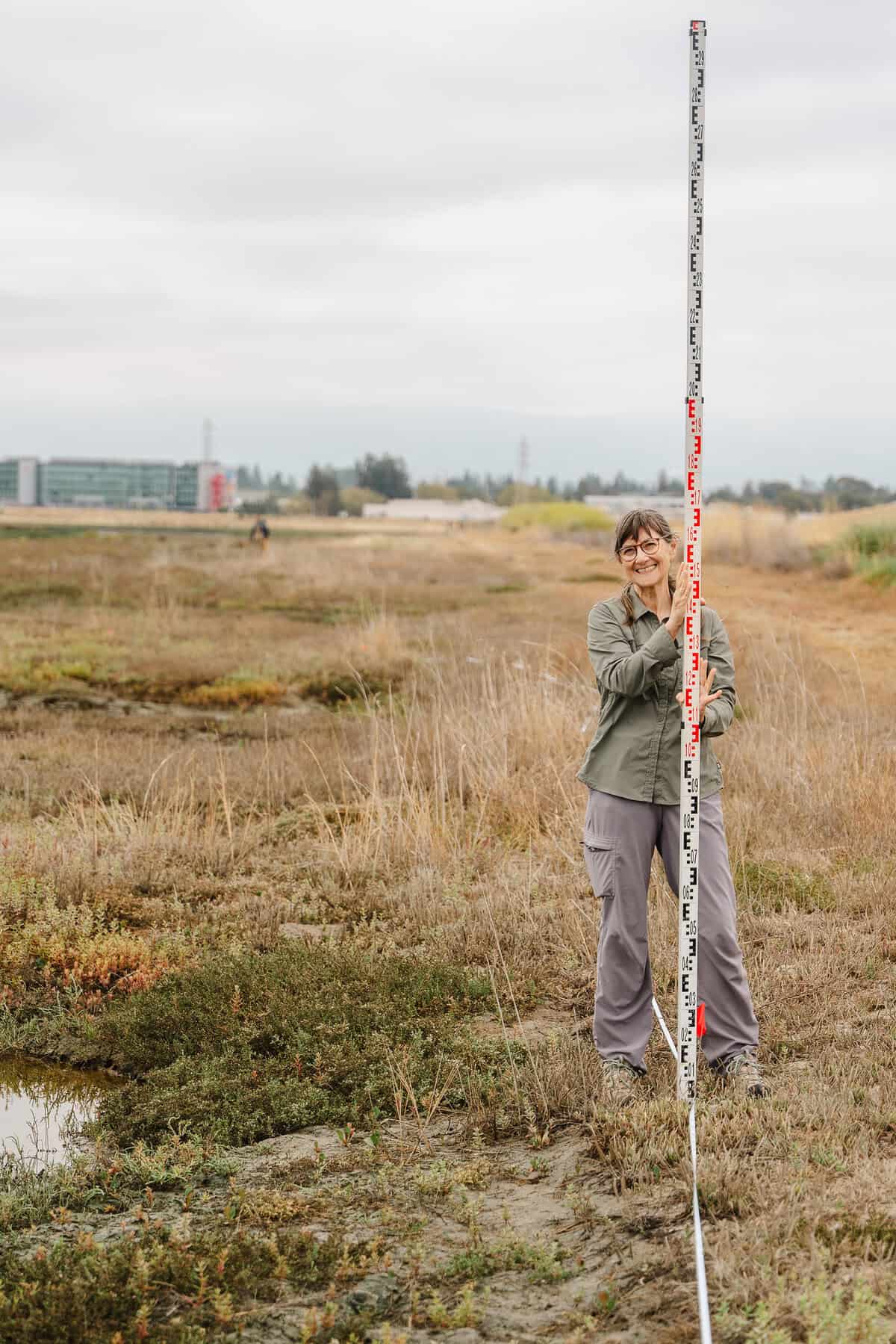
Every native plant in the ground, every weed pulled, every hour spent in the field adds up to something bigger: a healthier, more resilient Bay.
Restoration: By The Numbers
6 Sites
under active restoration
80 Acres
stewarded across Alameda, Marin, San Mateo, and Santa Clara Counties (about 60 football fields)
19,000 Native Plants
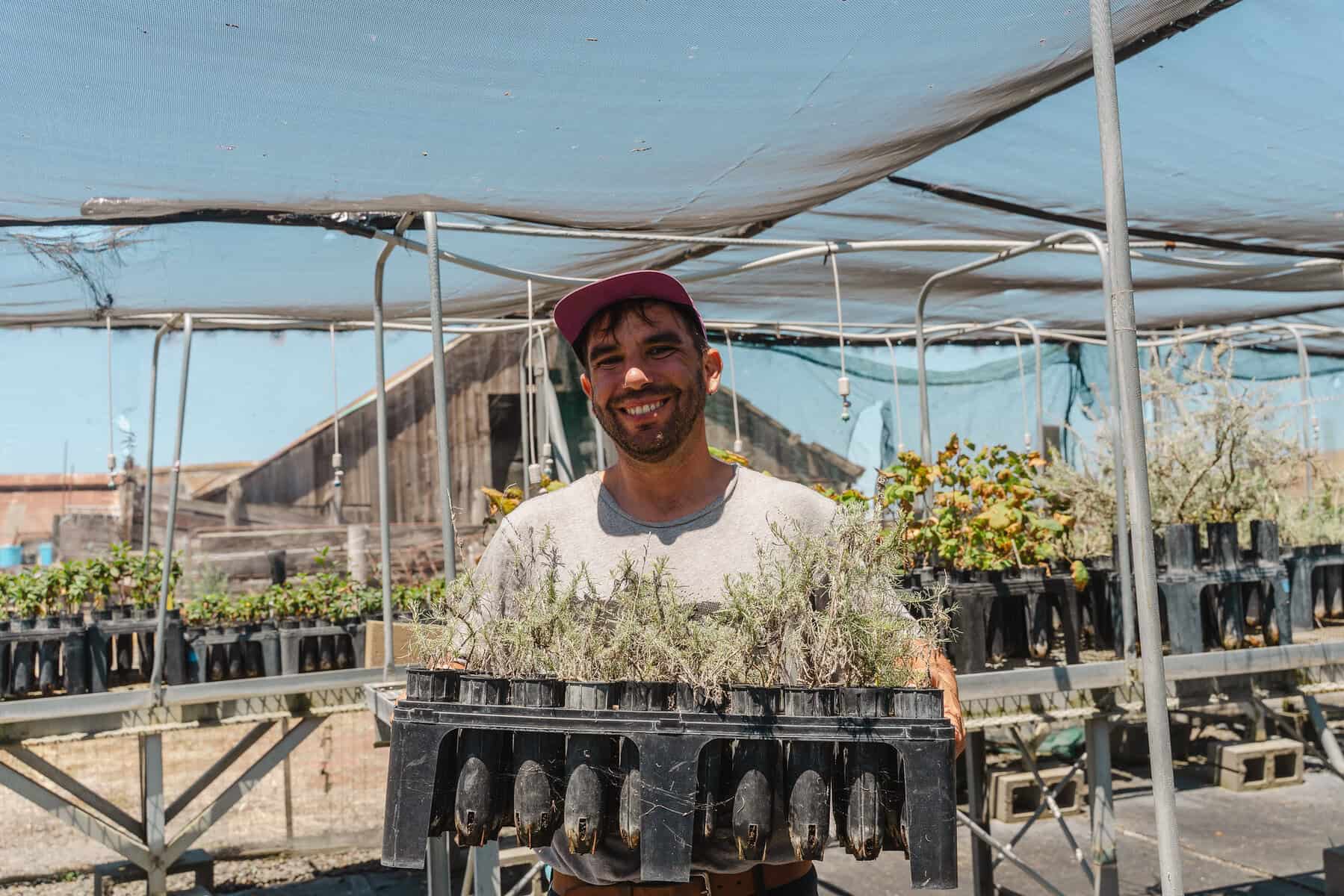
grown across 3 native plant nurseries
17,000 Native Plants
planted along the shoreline
31,000 Pounds
of invasive weeds removed
3,500 Pounds
of trash cleared
2,500 Community Members
engaged through shoreline programs
7,405 Hours
volunteered — a value of $285,907
Caring for Six Shoreline Sites
This year we took on new projects and cared for six shoreline sites, 80 acres total, across Alameda, Marin, San Mateo, and Santa Clara Counties. That’s roughly 60 football fields, an incredible amount of ground to cover.
We also met all our habitat restoration goals for the year, a testament to our staff and the volunteers, students, and partners who showed up and worked side by side with us.
Save The Bay has worked at the Palo Alto Baylands for over 25 years, but this past year a new type of project took shape: a horizontal levee. Funded by the EPA and managed by the San Francisco Estuary Partnership, with the City of Palo Alto as a partner, this levee provides multiple benefits at once. It restores habitat for wildlife, protects nearby infrastructure, and filters contaminants from treated wastewater under the surface of the soil before it reaches the Bay. It’s the same approach proven successful at the Oro Loma demonstration levee and planned for the Hayward levee.
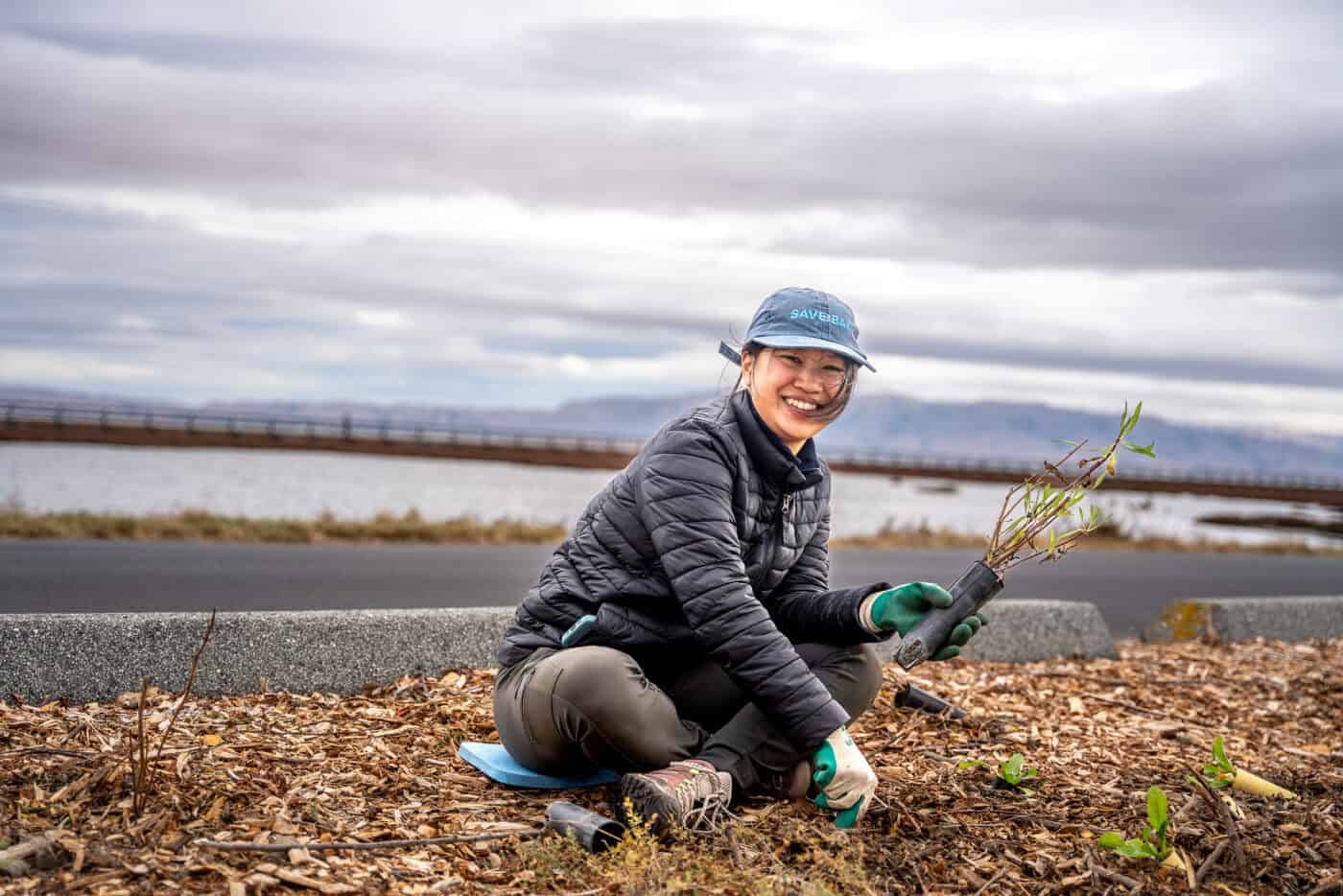
Save The Bay grew native plants in our nurseries to install on the slope. After construction wrapped up, volunteers and staff began planting, marking the start of a hopeful new chapter for this stretch of shoreline.
The Bay belongs to everyone, and protecting it takes all of us. This year, your support helped thousands of people get their hands in the dirt, brought students to the shoreline for the first time, and gave our community a closer look at the work it takes to protect this place.
Inspiring The Next Generation
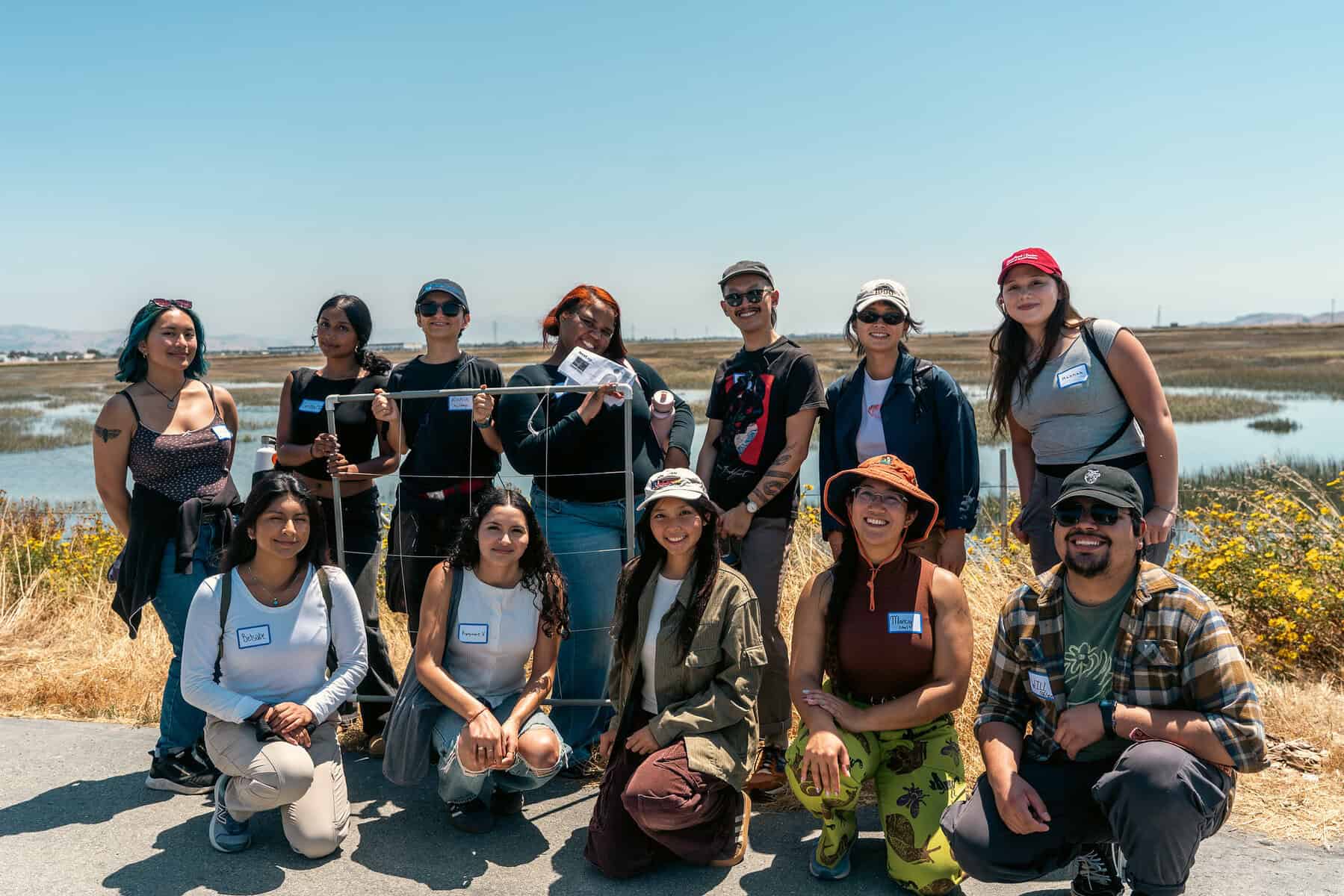
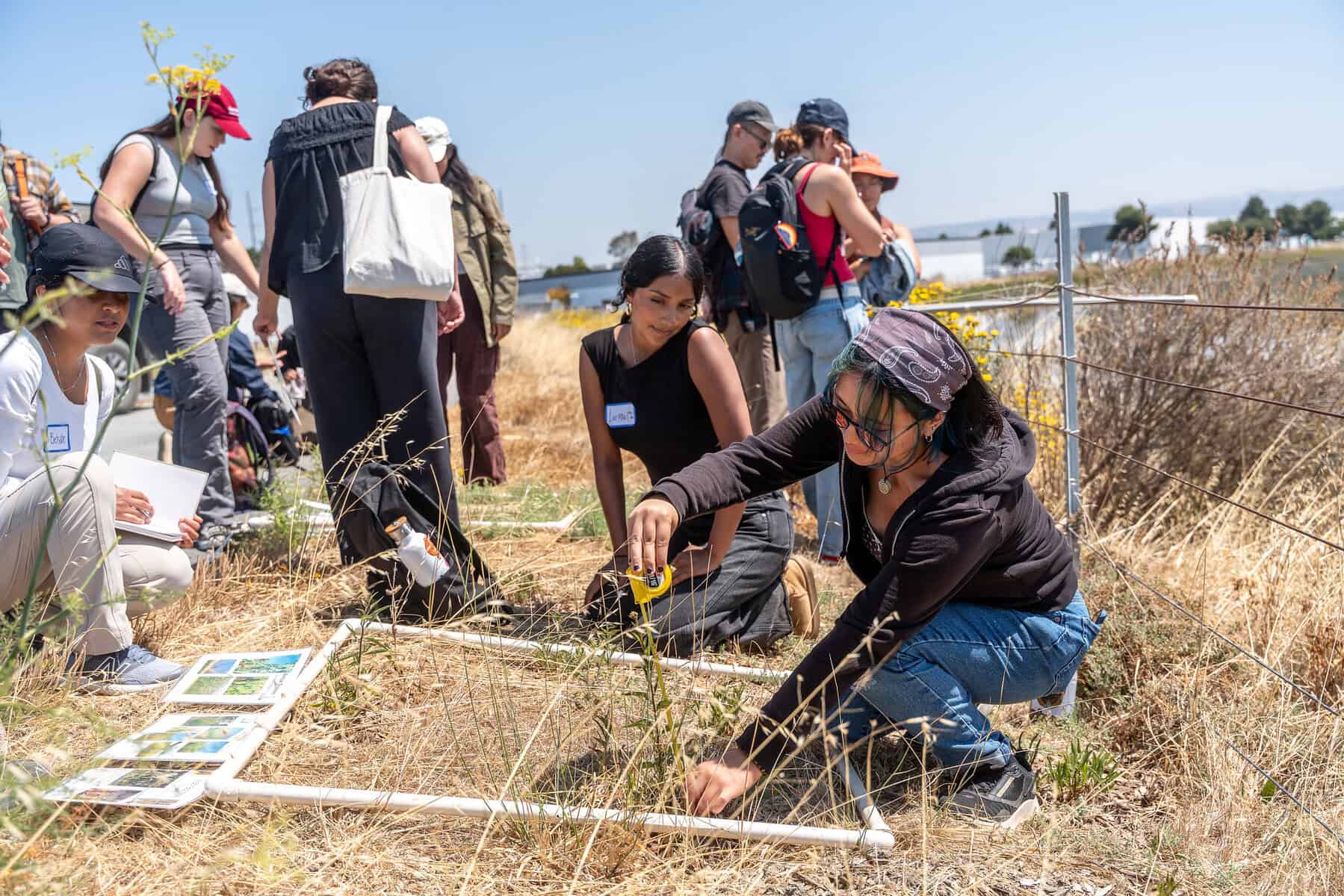
Field trips are more than a day on the shoreline. They can spark a real, personal connection to the Bay, and inspire the next generation of environmental activists, restoration professionals, and caring citizens.
This year, 980 K–12 students across 49 field trips rolled up their sleeves for hands-on restoration while learning about STEM concepts, our local ecosystem, climate change, and what they can do to protect the natural world. Every trip is built on California Common Core and Next Generation Science Standards , and tailored to each teacher’s classroom. That way, lessons learned by the Bay continue long after students have boarded the bus home.
But for many Bay Area schools, getting students to the shoreline is the hardest part. Save The Bay is helping change that. Thanks to donor and grant support, our bus stipend covered the cost of transportation, removing the single biggest barrier for hundreds of students at schools with fewer resources.
We can’t wait to bring both new and returning faces to the shoreline next year.
Bringing Our Community Together
Climate Conversations started in 2023 with a few webinars and an idea: bring our community together with the leaders and experts driving climate solutions forward across the Bay Area.The response was strong enough that we kept it going, and the series has continued to grow.
In April 2025, we tried something new and hosted our first in-person Climate Conversations event at Manny’s in San Francisco as part of SF Climate Week. Over 100 Bay Area residents signed up and filled the room for Rising Seas, Resilient Communities. Together we had an in-depth conversation with panelists from the East Bay Dischargers Authority, the City of San Mateo, and the Port of San Francisco on coastal resilience and projects that use nature itself to protect the shoreline.
After the success of this event, we decided to make it a standing part of the series. Be sure to join us during SF Climate Week next year.
None of this happens without the people behind it. Every volunteer hour on the shoreline, every student field trip, every gift and every story shared — together, they fuel this work. Thanks to all of you, we’re restoring the Bay, protecting communities, and building a climate-resilient future for people and wildlife alike.
There’s more work ahead. Please consider making a gift today.
Financials 2024-2025
Stewarding your Generosity
Your contributions are the backbone of our work. We are committed to transparency and fiscal responsibility, ensuring that every dollar is used effectively to protect and restore the Bay.
For detailed financial information, please refer to our financial statements.
Thank You
None of this is possible without you. Every dollar, every hour volunteered, every story shared—fuels this work. Together, we are restoring the Bay, defending communities, and creating a climate-resilient future for all. To keep this momentum going, please consider making a donation today.