We need to talk about AB 130
Let’s play a game.
Here’s the premise: We know that people in the Bay Area will continue to face massive flooding due to climate change. Given our prospects, which of these options seems like a better idea to prepare people for the future?
a) Study where flooding is going to happen and make sure that any new buildings constructed in those vulnerable areas have appropriate building standards.
b) Keep putting buildings in the flood zone without proper venting, anchorage, and building materials that prepare them for wetter weather.
Yes, we agree – ‘a’ is obviously the right choice here! One of the easiest, most practical things a local city can do in the name of safety (even if absolutely nothing else about our political climate changes) is to at least make sure that buildings that are constructed in the floodplain are designed to withstand the wetter weather.
And yet, last year, the State of California passed a law that seems to expressly ban cities from taking that action.
So how did we get here?
In a somewhat frenetic trailer bill process that took place at the end of last year’s legislative session, a bill called AB 130 became law.
Proponents say its intent was to spur affordable housing development; and one of the ways it promises to do so is by making the regulatory environment more predictable for developers. To help achieve this goal, language in AB 130 blocks cities from updating their building code standards for the next six years.
A major (and likely unintended) consequence of the way this portion of the legislation is written is that it appears to signal to cities that they can’t update building codes even to meet recurring, predictable flood risks in the Bay Area.
AB 130 means we are sitting ducks for sea level rise
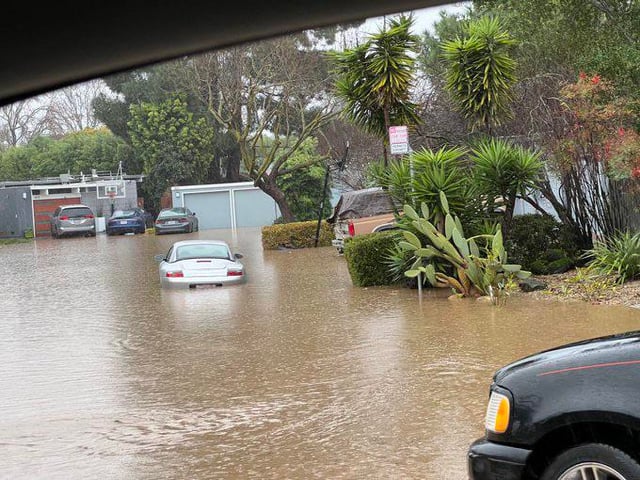
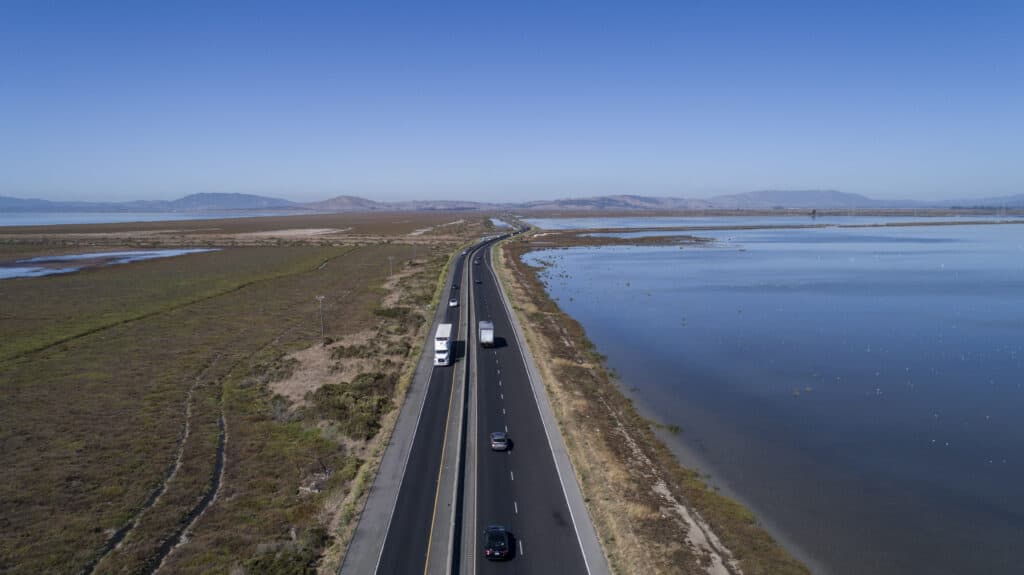
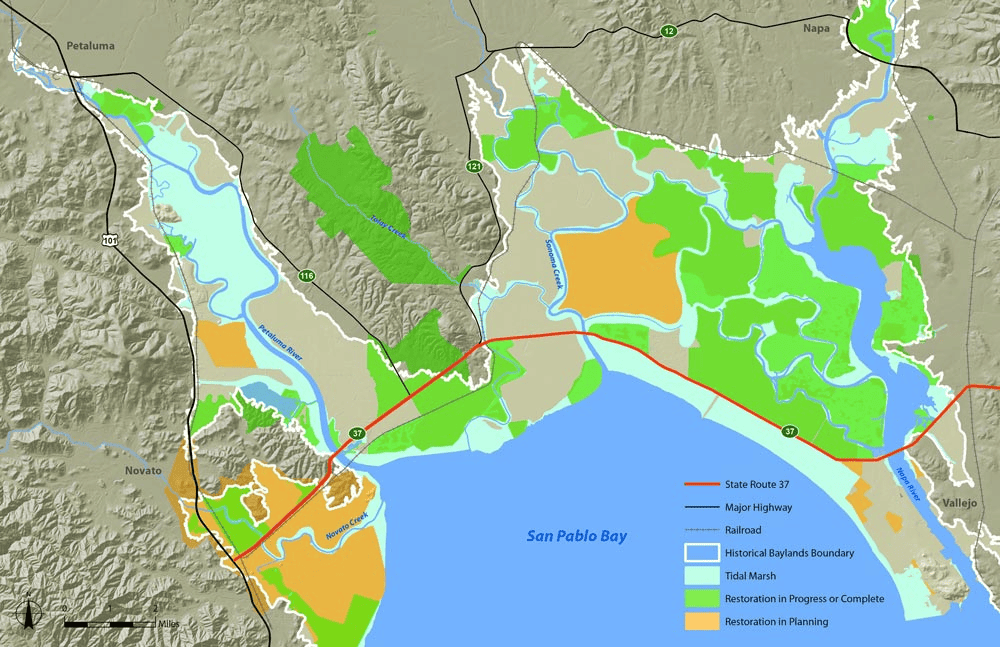
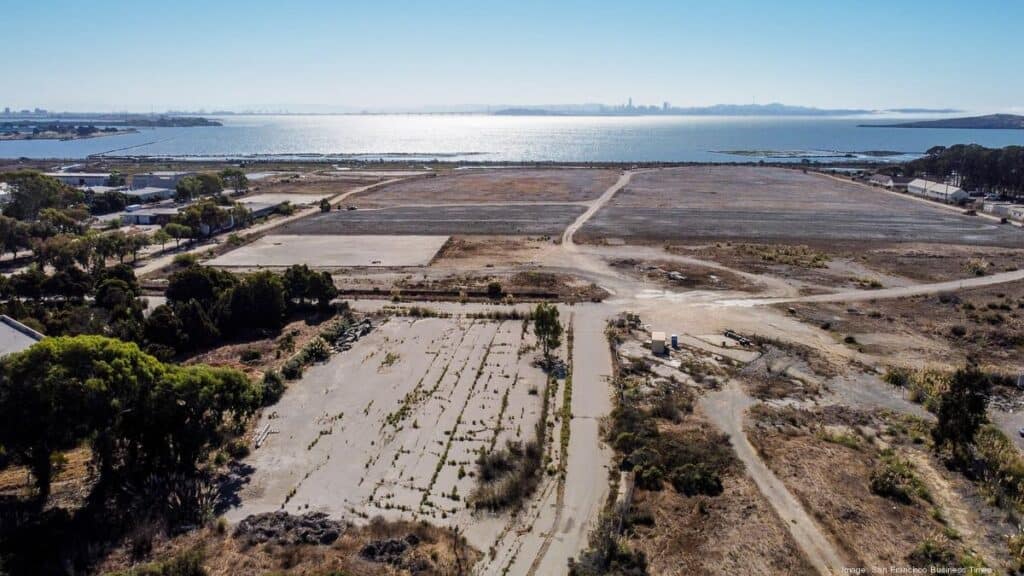
The Bay Area, after all, holds the majority of the state’s sea level rise risk – we have whole communities in Palo Alto and San Rafael, and Suisun that are in the future floodplain.
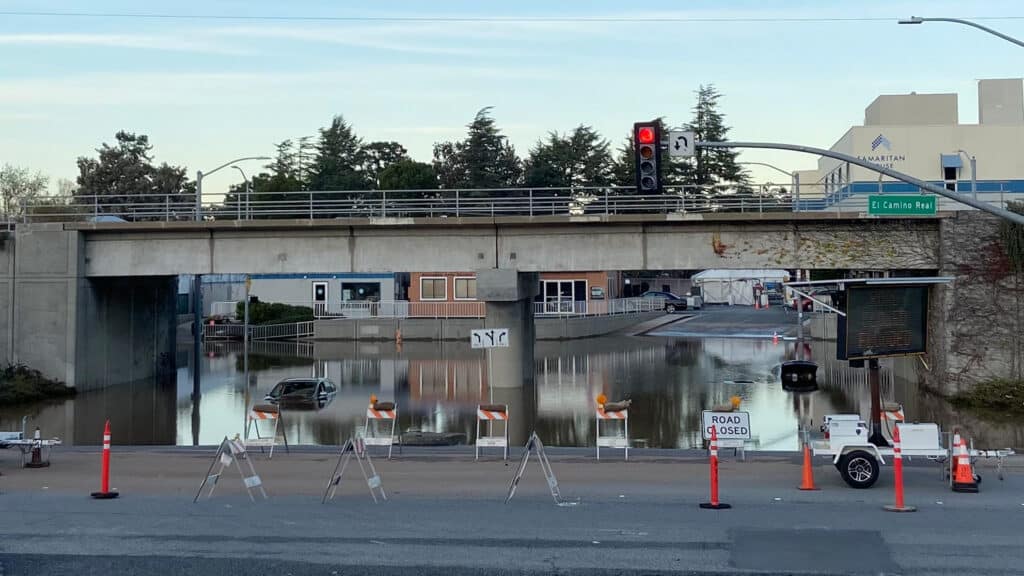
And if you’ve been reading the news lately, you know that many neighborhoods are in fact in a current floodplain – this is partly because cities still rely on FEMA flood maps that are based on pre-1980s historic flood patterns. These official maps – which dictate decision making related to land use decisions and insurance – don’t incorporate flood patterns that are already changing due to climate change.
Cities like South San Francisco and Burlingame have acknowledged the need to modernize their flood maps and plan accordingly, which is why both have previously passed policies called “sea level rise overlay zones.” These zones include the types of resilient building standards that we should be adopting in areas that are likely to experience more frequent flooding.
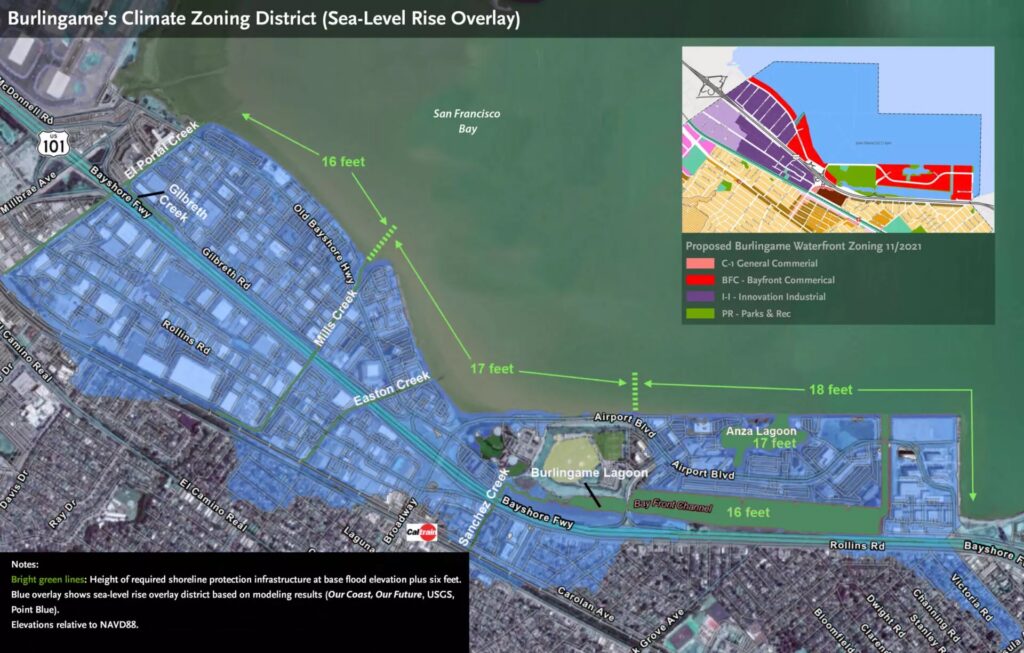
There’s just one problem – AB 130 means that other cities might not be able to follow suit.
Let’s not flush all our good planning down the drain
Authorities on sea level rise management, such as the Bay Conservation and Development Commission, the Ocean Protection Council, and One Shoreline all formally recommend that cities consider building code updates as a means of dealing with sea level rise.
And make no mistake – cities are currently attempting to deal with sea level rise. A state law passed in 2024 mandated that all coastal communities formalize their sea level rise plans by 2034, and cities are in the midst of dedicating serious funding and capacity towards meeting that objective.
It’s poor timing and frankly contradictory for the State to now also tell those cities that while they must do the necessary work of planning for sea level rise; they can’t also make the easy decision to only permit safe development in the flood zone.
We are urging legislators to “clean up” AB 130
Save The Bay is urging our leaders to pass a law that amends the one that was passed last summer. The new law should make it clear that as long as a building code update pertains to disastrous flooding, cities can indeed require up-to-date standards.
We appreciate all the work being done to address our region and our state’s urgent housing crisis. A fix to AB 130 will not stand in the way of that progress – it will ensure that those who can and should be able to live here can reside safely in their homes in a time of sea level rise.