Save the Bay’s Interview with BCDC Commissioner John Gioia
Lately the Commissioner has been working to advance a nature-based resilience project that was originally conceptualized by community members in Richmond.
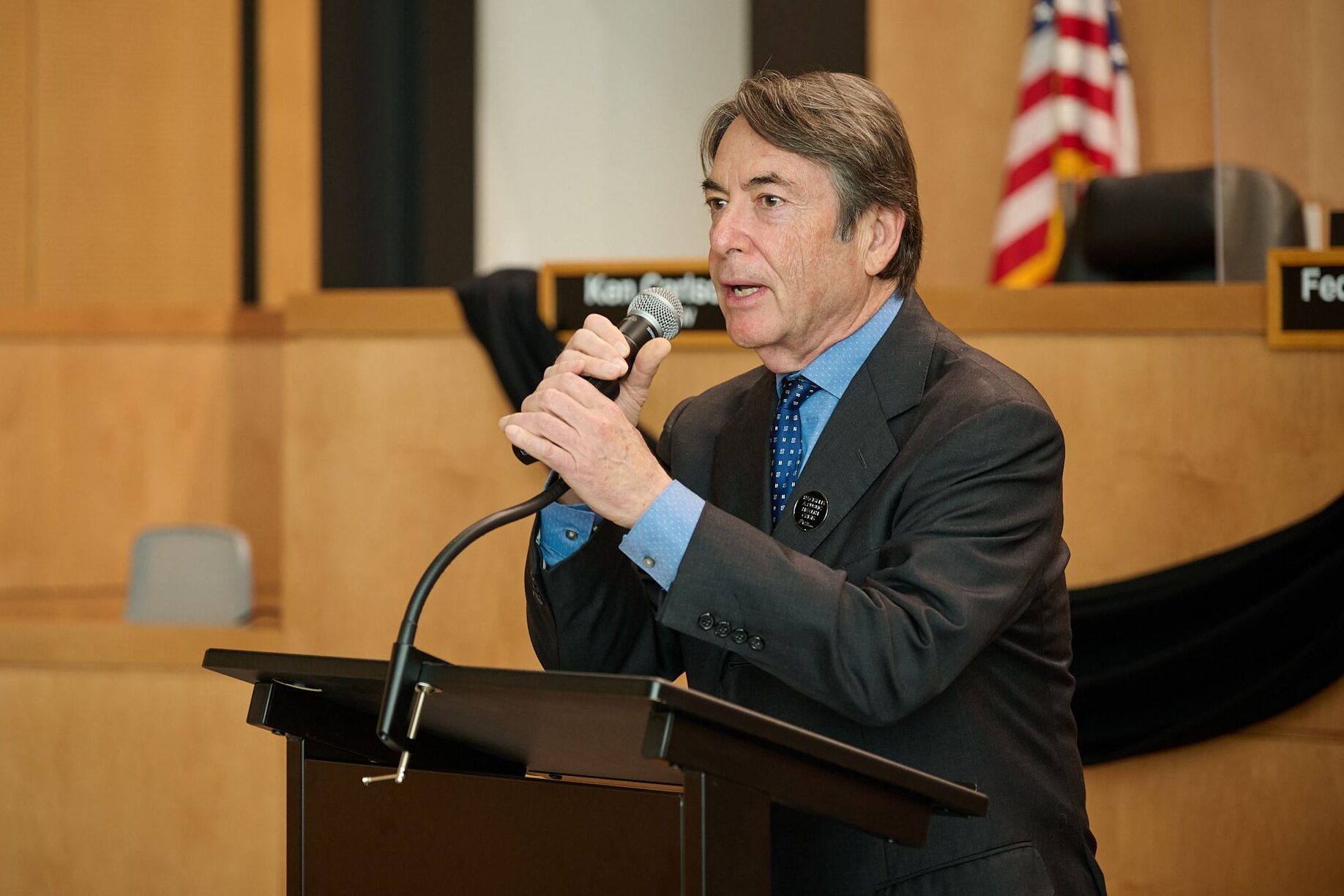
Cities all around the Bay are preparing their official sea level rise plans and Save The Bay is asking that they prioritize nature-based solutions where possible. But what does it take for cities to take us up on our suggestion? The kinds of green shoreline projects we love, such as horizontal levees or projects involving wetland restoration as a means of flood protection, can face permitting and funding challenges that more traditional engineered designs like seawalls do not. In other words, an extra layer of commitment and leadership is needed to actually get nature-based projects in the ground. To understand just what leadership looks like in this space, Save The Bay sat down with the longest-serving member of the Bay Conservation and Development Commission (BCDC). From his tenure at BCDC and multiple other elected and appointed positions, Commissioner and Contra Costa County Supervisor John Gioia has advanced many a nature-based project along the shoreline, including the exciting North Richmond Living Levee which is currently in design.
Q: What does a good resilience project look like to you?
John Gioia: Good sea level rise planning protects the shoreline, it protects habitat, and it protects the economy of the Bay Area. Projects don’t need to only provide resilience against flooding; they can also have amenities for the community and for habitat. Many projects can add more shoreline access for the community, for example, and improve wetlands. There is nothing better than seeing a successful nature-based project that does all these things in one swoop.
Q: What’s so great about the North Richmond Living Levee as an example of a nature-based project?
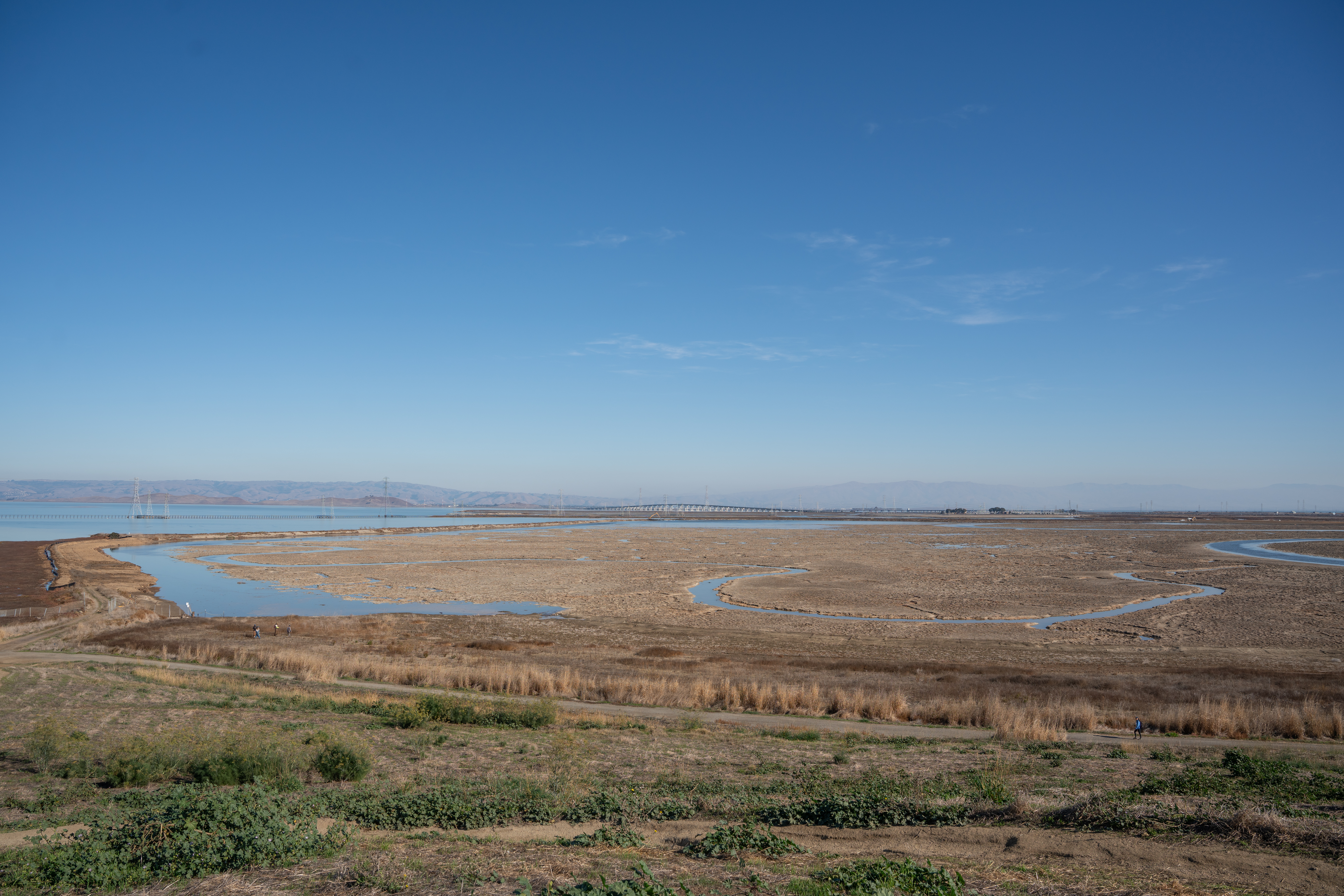
John Gioia: What’s cool about it is that North Richmond residents really came up with the idea of it. Community members entered the Resilient by Design Competition that was held in 2018, and the project they submitted identified the importance of providing shoreline protection as well as amenities that the community wanted. We call the project the ‘Living Levee’ now and have since brought in technical expertise to combine with their community expertise. The levee has been designed to treat wastewater from the nearby wastewater agency, in addition to creating a shoreline trail and restoring habitat. The ultimate goal is to come up with a similar workable concept for the five miles of shoreline from Point Pinole to Point San Pablo.
Q: What are some of the challenges an innovative project like the Living Levee faces? How do you overcome those issues?
John Gioia: The challenges are mostly based on funding and money issues for the nearby property owners. I think that when they see nature-based solutions yielding better benefits than an engineered brick-and-mortar solution, they’ll support the more innovative projects because it is about money for them. Businesses come on board when they see that projects are cost-effective.
North Richmond has a significant history of dealing with and understanding what damage from flooding involves. It’s a predominantly lower-income community, and it was one of the few places where African-Americans could buy a home during and after World War II. And now it’s transitioned to be a predominantly Latino community. It floods a lot. When residents entered the Resilient By Design competition, it was important that the community clearly identified the need for both shoreline protection as well as other amenities the community was lacking.
We [at the Board of Supervisors] helped put together a community steering committee and our office worked with the North Richmond community and with the San Francisco Estuary Partnership and Association of Bay Area Governments, and we were able to get some funding to continue this effort. Mithun was the consultant on board, and we thought “Let’s take this idea that the community came up with and turn this into a project that we can implement and get regional funding for,” which we have — including through the Restoration Authority. So it’s an example of the community really developing the idea and all of us other stakeholders working to plan and implement this project. It takes serious effort.
So far we’ve engaged the city, the county, and the park district; but we really want to bring on board the other major property owners around there because that whole shoreline really needs to benefit. Some landowners haven’t engaged as much as we would like for a number of funding and liability reasons. But I think we can show them the benefits.
Q: What can others do to be effective leaders in this space?
John Gioia: I’d recommend that those who want to pursue nature-based resiliency projects start by looking at communities that are currently pursuing them or have already done them successfully. Also, listen to your community — learn what they’ve learned and then apply that in a way that works in your community. The result may be different in different places. Because every nature-based project can be designed with unique benefits to the community where it will be located, and it’s the community energy that will help drive the project.
There are several important elements that make these projects work: community, the technical and environmental expertise that can be brought in, local political leadership, and the property owners who would benefit. So if you can link those four groups together, it’s easier to develop the funding.
“To my colleagues: go out and see a successful project. I remember once going up to see a horizontal levee up in Novato and saying, “Wow, I’m looking at the bay. Just a beautiful shoreline in the bay, and I don’t even see a concrete vertical wall.” So I think strong leadership starts with those types of realizations sometimes. Seeing can be believing.”
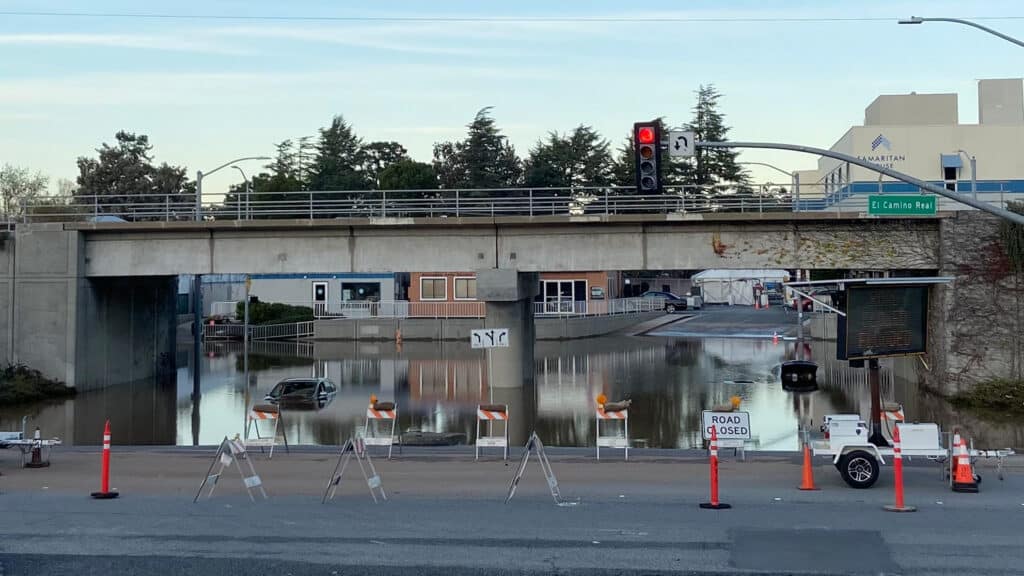
In the meantime, when we do have these flooding events or the high tide combined with storms that impact a shoreline, we need to seize on those events and highlight them and say, “This is what is going to happen more frequently if we don’t address sea level rise.” Climate-change is slow moving but urgent at the same time, we can’t afford to be doing nothing.